
Learn Chess Online: Master the Game from the Comfort of Your Home
- Introduction
- Benefits of Learning Chess Online
- Flexibility and Convenience
- Access to Expert Tutors
- Wide Variety of Learning Resources
- How to Get Started with Online Chess Learning
- Choosing the Right Platform
- Setting Learning Goals
- Learning Basic Rules and Strategies
- Mastering Chess Openings and Endgames
- Understanding Key Openings
- Developing Endgame Techniques
- Improving Tactical and Strategic Skills
- Tactics Training
- Strategic Planning
- Learning from Grandmasters and Chess Legends
- Analyzing Classic Games
- Studying Grandmaster Techniques
- Participating in Online Chess Tournaments
- Benefits of Tournaments
- Preparing for Competitions
- The Psychological Aspect of Chess
- Building Mental Resilience
- Dealing with Defeats and Wins
- Chess and Cognitive Development
- Enhancing Problem-Solving Skills
- Boosting Memory and Concentration
- Chess as a Social Activity
- Joining Online Chess Communities
- Playing with Friends and Family
- The Future of Online Chess Learning
- Technological Advancements
- Virtual Reality in Chess Training
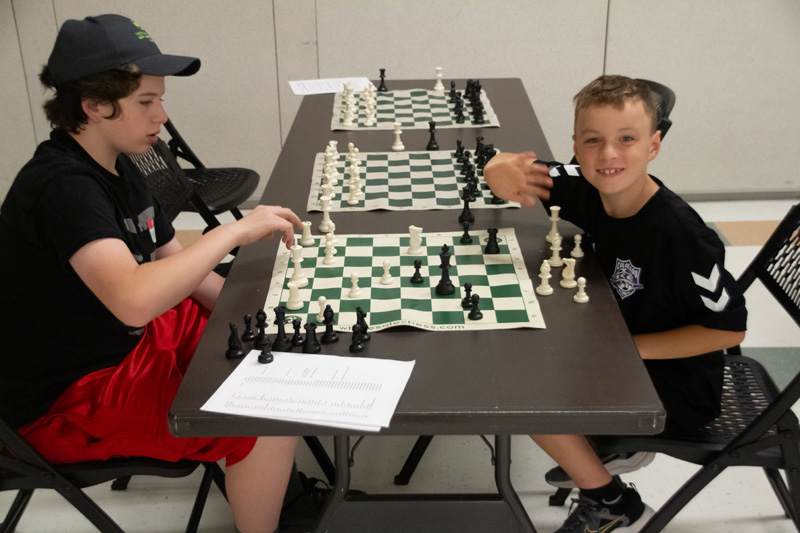
Throughout the ages, chess has stood as an enduring game of wit and intellect, captivating the minds of individuals for centuries. Learning chess online has revolutionized the way enthusiasts approach the game, providing unparalleled accessibility and opportunities for improvement. In this article, we will explore the benefits of online chess learning, practical tips for getting started, and how it can help you master the game. Let’s dive in!
Benefits of Learning Chess Online
Flexibility and Convenience
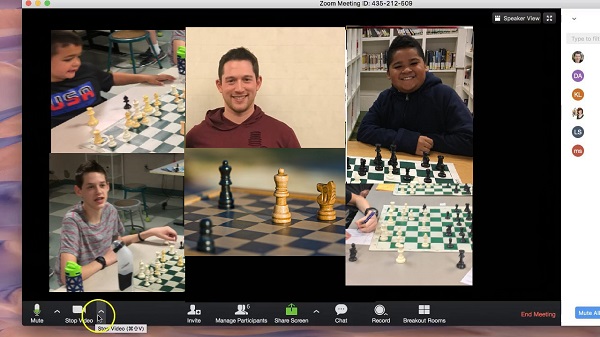
One of the most significant advantages of online chess learning is the flexibility it offers. You can access tutorials, practice games, and resources at your convenience, eliminating the need for physical travel to chess clubs or classes. Whether you are a beginner or an experienced player, online platforms cater to all skill levels, allowing you to learn and play at your own pace.
Access to Expert Tutors
Online chess learning platforms often boast a roster of expert tutors and grandmasters. With virtual lessons and one-on-one guidance, you can receive personalized feedback and tips from the best in the field. This access to experienced mentors accelerates your learning and helps you grasp advanced strategies with ease. Learn from National Chess Master Jesse Cohen
Wide Variety of Learning Resources
The internet offers an extensive collection of chess resources, including articles, videos, puzzles, and books. Online platforms curate these materials, making it easier for you to find suitable content that aligns with your skill level and learning objectives. From fundamental rules to advanced techniques, the wealth of information caters to every chess enthusiast.
How to Get Started with Online Chess Learning
Choosing the Right Platform
Selecting the right online chess learning platform is crucial for your progress. Look for platforms that offer a user-friendly interface, a diverse range of learning materials, interactive features, and positive reviews from users. Some popular platforms include summitschoolofchess.com, Chess.com, lichess.org, and chess24.com.
Setting Learning Goals
Before you begin your online chess journey, set specific learning goals. Identify the areas you want to improve, such as mastering certain openings, improving tactical skills, or understanding complex endgames. Setting clear goals will keep you focused and motivated throughout your learning process.
Learning Basic Rules and Strategies
For novices embarking on their chess journey, laying a solid foundation with the fundamentals is of utmost importance. Learn the fundamental rules of chess, such as how pieces move and capture opponents’ pieces. As you progress, familiarize yourself with essential strategies like controlling the center, castling, and developing your pieces efficiently.
Mastering Chess Openings and Endgames
Understanding Key Openings
Chess openings play a vital role in determining the flow of the game. Study popular openings like the Sicilian Defense, the Ruy Lopez, and the Queen’s Gambit. Understanding opening principles will help you gain a strategic advantage in the early stages of the game.
Developing Endgame Techniques
The endgame is the final phase of a chess match, and it can be the most challenging part. Learn endgame techniques like pawn promotion, king and pawn versus king, and basic checkmating patterns. Mastering endgames will significantly enhance your chances of victory.
Improving Tactical and Strategic Skills
Tactics Training
Tactics are critical for gaining material advantages or delivering checkmate. Engaging in regular practice of tactical puzzles will sharpen your ability to recognize patterns and enhance your calculating prowess on the chessboard. Websites and apps offering tactics training can help you sharpen your tactical acumen.
Strategic Planning
A strong strategy is the backbone of a successful chess game. Work on creating plans based on the position of your pieces and your opponent’s weaknesses. Understanding strategic concepts like pawn structure, piece coordination, and maneuvering will elevate your gameplay.
Learning from Grandmasters and Chess Legends
Analyzing Classic Games
Studying classic games played by legendary chess players provides invaluable insights into the game’s intricacies. Analyze games played by grandmasters like Bobby Fischer, Garry Kasparov, and Magnus Carlsen to understand their thought processes and decision-making.
Studying Grandmaster Techniques
Grandmasters often share their knowledge through books, videos, and online lectures. Take advantage of these resources to learn advanced techniques, such as deep opening preparation, complex middle game strategies, and creative endgame play.
Participating in Online Chess Tournaments
Benefits of Tournaments
Participating in online chess tournaments is an excellent way to challenge yourself and gauge your progress. Tournaments expose you to various playing styles, strategies, and opponents of different skill levels, making you a more versatile player.
Preparing for Competitions
Before entering a tournament, prepare thoroughly by revising your chosen openings, practicing time management, and analyzing your previous games for areas of improvement. A well-prepared mindset will boost your confidence and performance during the event.
The Psychological Aspect of Chess
Building Mental Resilience
Chess can be mentally demanding, especially during competitive games. Develop mental resilience to handle pressure, setbacks, and time constraints effectively. Meditation, visualization, and staying composed are essential skills for any serious chess player.
Dealing with Defeats and Wins
Chess, like any sport, involves wins and losses. Learn from defeats and celebrate victories without becoming overly confident. A healthy balance between self-analysis and self-belief will contribute to consistent growth as a chess player. Watch Chess Learning Videos on YouTube
Chess and Cognitive Development
Enhancing Problem-Solving Skills
Chess is a game of problem-solving, where every move counts. Regular chess practice enhances your critical thinking, logical reasoning, and problem-solving abilities. These cognitive skills extend beyond the chessboard and benefit other aspects of your life.
Boosting Memory and Concentration
Remembering and analyzing previous moves during a game improves your memory skills. Chess also requires intense focus and concentration, honing your ability to stay attentive and focused on tasks.
Chess as a Social Activity
Joining Online Chess Communities
Chess is a social game, and online platforms offer vibrant communities of players with shared interests. Joining these communities allows you to discuss strategies, analyze games together, and make friends with like-minded individuals.
Playing with Friends and Family
Playing chess with friends and family provides an enjoyable way to bond and share experiences. It’s an activity that transcends age and background, bringing people together through the love of the game.
The Future of Online Chess Learning
Technological Advancements
As technology advances, online chess learning is likely to evolve further. Expect innovations like AI-based coaching, real-time analysis during games, and interactive virtual classrooms.
Virtual Reality in Chess Training
Virtual reality can revolutionize chess training by providing immersive and interactive experiences. Players may engage in simulated matches against virtual opponents or explore historical chess settings.
Conclusion
Learning chess online opens a world of possibilities for aspiring chess players. The flexibility, access to expert guidance, and a wide array of learning resources make it an ideal choice for enthusiasts of all levels. Embrace the challenges and joys of the game, and watch as your skills flourish.
FAQs After The Conclusion
- What are the benefits of learning chess online?
- How do I get started with online chess learning?
- Why are chess openings and endgames essential to learn?
- How can I improve my tactical and strategic skills in chess?
- Where can I find resources to study games played by grandmasters?