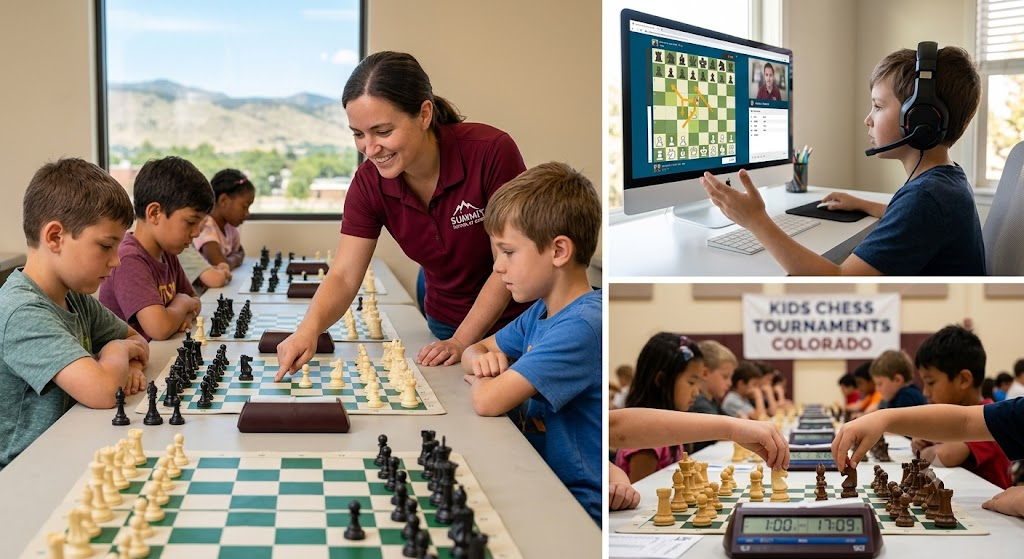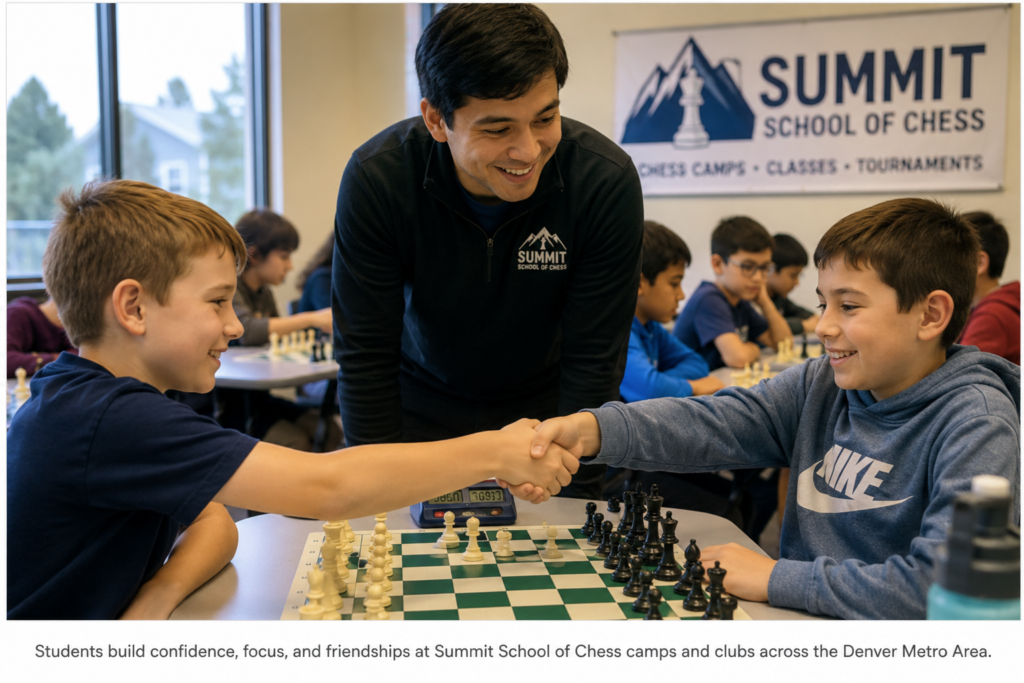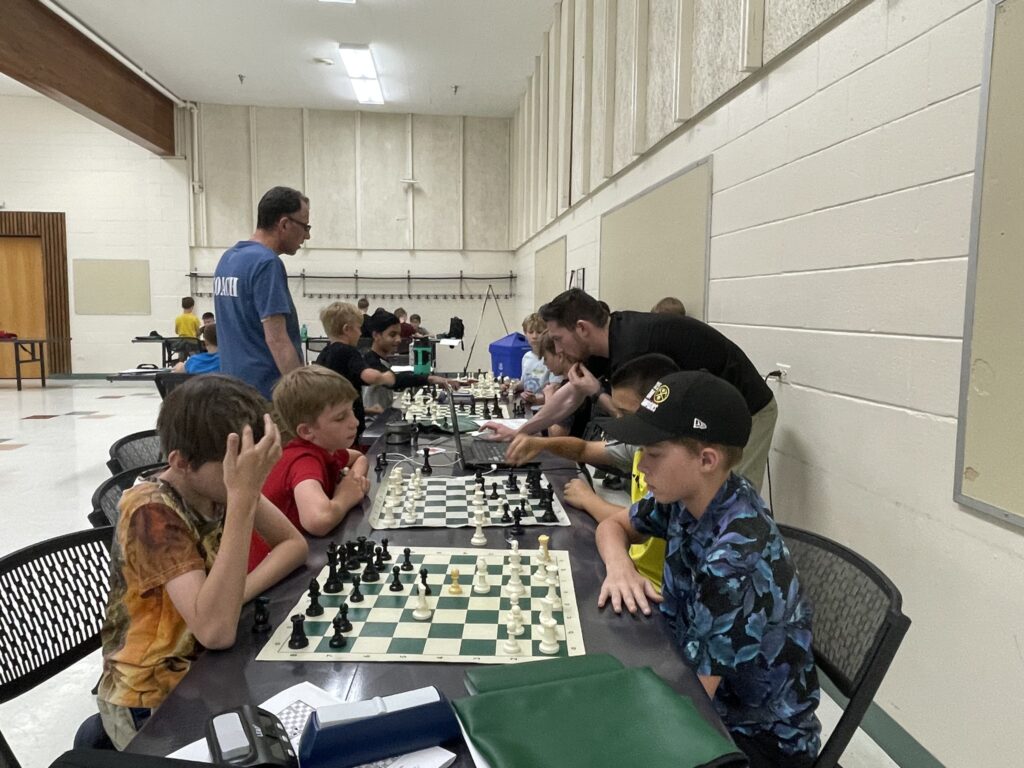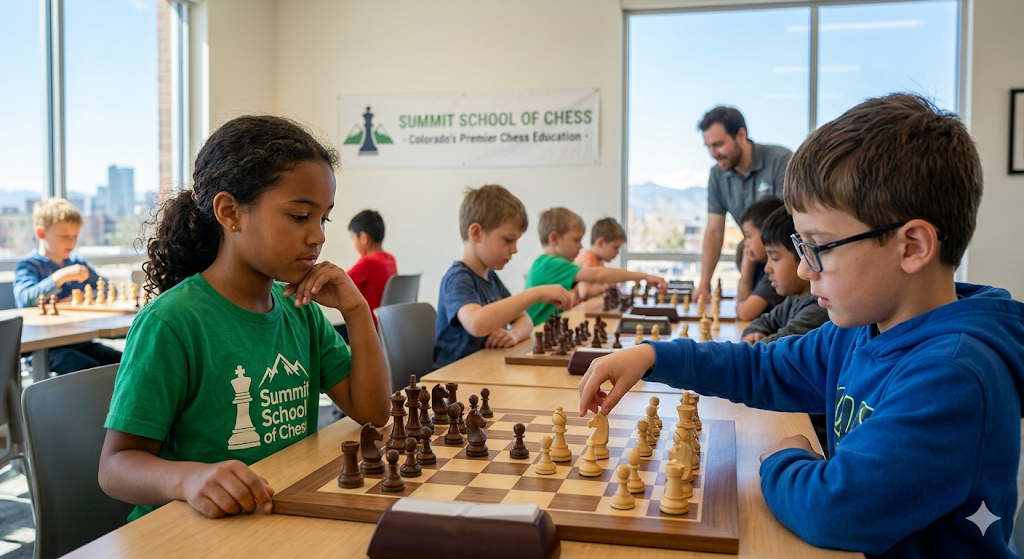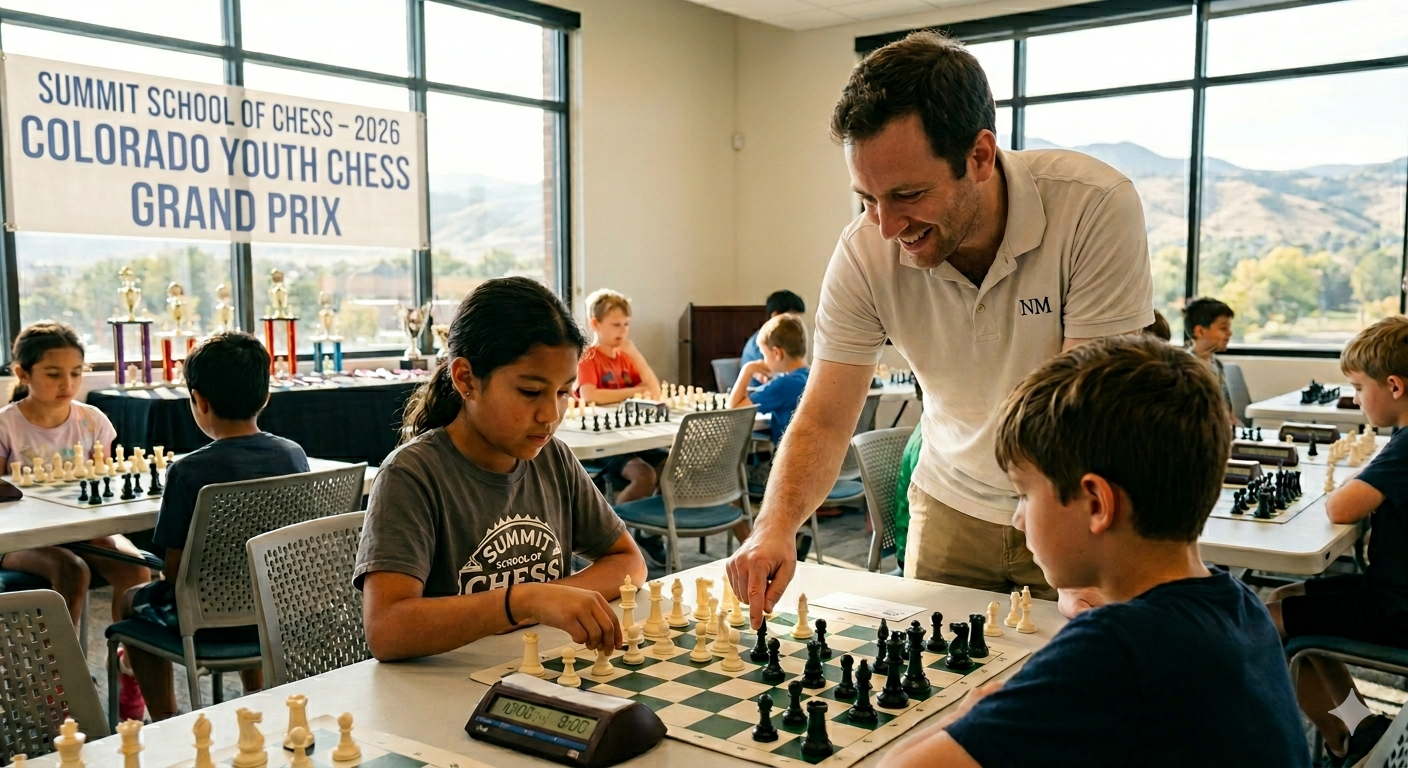

If you are a parent living in the Greater Denver Area, you have likely noticed a shift in how children spend their free time. Between screen fatigue, structured sports leagues, and academic pressures, finding an activity that is both deeply engaging and intellectually stimulating can feel like a challenge. This is where chess lessons in Denver can provide a meaningful opportunity for kids and families alike.
Enter the timeless game of 64 squares. For families interested in lessons, Denver offers some excellent opportunities—chess lessons Denver style mean fun, challenge, and growth.
Far from being a quiet pastime reserved for dusty club basements, chess has emerged as the premier developmental tool for modern children. Whether your child is an energetic kindergartener or a focused high schooler, enrolling them in professional chess lessons in Denver can completely transform how they think, plan, and solve problems.
Beyond the Board: The Cognitive Power of Scholastic Chess
Parents often ask: What can a board game teach my child that school doesn’t already cover? When considering chess lessons Denver residents will notice that cognitive skills grow in unique ways.
The answer lies in cognitive transfer. Chess is essentially a laboratory for decision-making. When a child sits down across from an opponent, they are not just moving wooden pieces; they are actively engaging in complex mental gymnastics:
- Calculated Foresight: Every move requires answering the question, “If I go here, what will my opponent do next?” This trains children to think three to four steps ahead instead of reacting impulsively.
- Emotional Resilience: In chess, mistakes have immediate consequences. Learning to handle a tough loss, analyze where the mistake happened, and bounce back builds profound emotional maturity and grit.
- Enhanced Focus and Concentration: In an era of shrinking attention spans, chess demands sustained, quiet concentration for extended periods, directly improving academic focus in subjects like math and reading.
- Abstract Strategic Planning: Children learn to look at the big picture while managing tactical details—a skill that pays dividends in both academics and life.
Finding the Right Fit: What Makes a Top-Tier Chess School?
Not all chess instruction is created equal. When searching for a chess school in Westminster, CO or looking for after-school programs across the Denver metro area, parents should look for three vital pillars. That’s why families seeking the best chess lessons Denver has to offer need guidance on making a great choice.
- Master-Level Instruction: Learning from instructors who have proven competitive credentials—such as a National Master—ensures that students receive precise, high-level tactical training right from the start.
- A Balance of Fun and Rigor: Young learners need engagement, positive reinforcement, and interactive puzzles to stay motivated. The best programs make learning feel like an adventure rather than a chore.
- Clear Pathways to Competition: For kids who catch the competitive bug, having access to regular, professionally run USCF-rated tournaments provides a clear roadmap to earning official ratings and state titles.
The Summit School of Chess Difference
At Summit School of Chess, we believe that every child has a champion within them. Led by National Master Jesse Cohen and our elite team of coaches, we serve families across the Greater Denver Area with comprehensive programs tailored to every skill level, making us a preferred choice for chess lessons Denver parents trust.
Whether your child is brand-new to the game and needs to learn how the pieces move through our interactive after-school chess clubs, or an advanced scholastic player looking for private chess coaching and tournament prep, we provide a welcoming, structured environment designed for success. Over the past 12 years, our students have claimed 34 state championships—not just because of natural talent, but because of a proven, supportive coaching curriculum.
Ready to Begin Your Child’s Chess Journey?
Chess is a gift that lasts a lifetime. It builds self-esteem, sharpens cognitive agility, and introduces children to a lifelong community of smart, passionate peers. It’s why so many sign up for Denver chess lessons every year.
If you are searching for kids’ chess classes near me or want to explore our upcoming local tournaments at the Jefferson County Fairgrounds in Golden, CO, we invite you to explore our programs today. For top-tier chess lessons Denver families recommend, check our schedule.
Explore Our Classes and Enroll Today!
Check out the Denver Chess Club – Colorado’s oldest and largest #chess community. If you’re considering chess lessons Denver options are abundant!
Our Summer Chess Camps are the best—just one reason families seek out quality Denver chess lessons for their kids in summer.
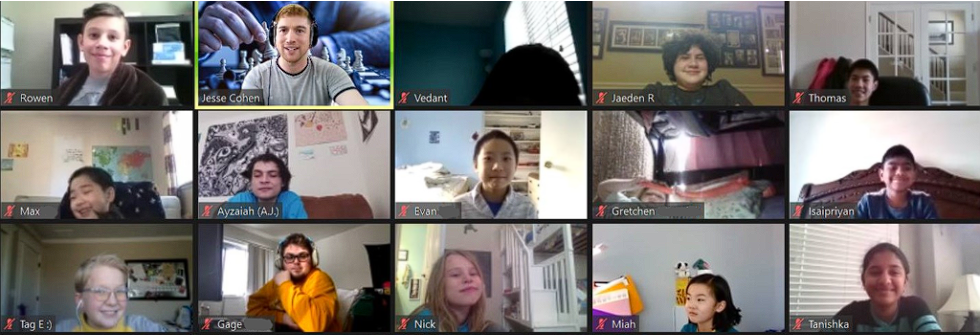
We have daily Online Group Lessons for all players of all skill levels. Many join us for virtual chess lessons Denver families can count on.
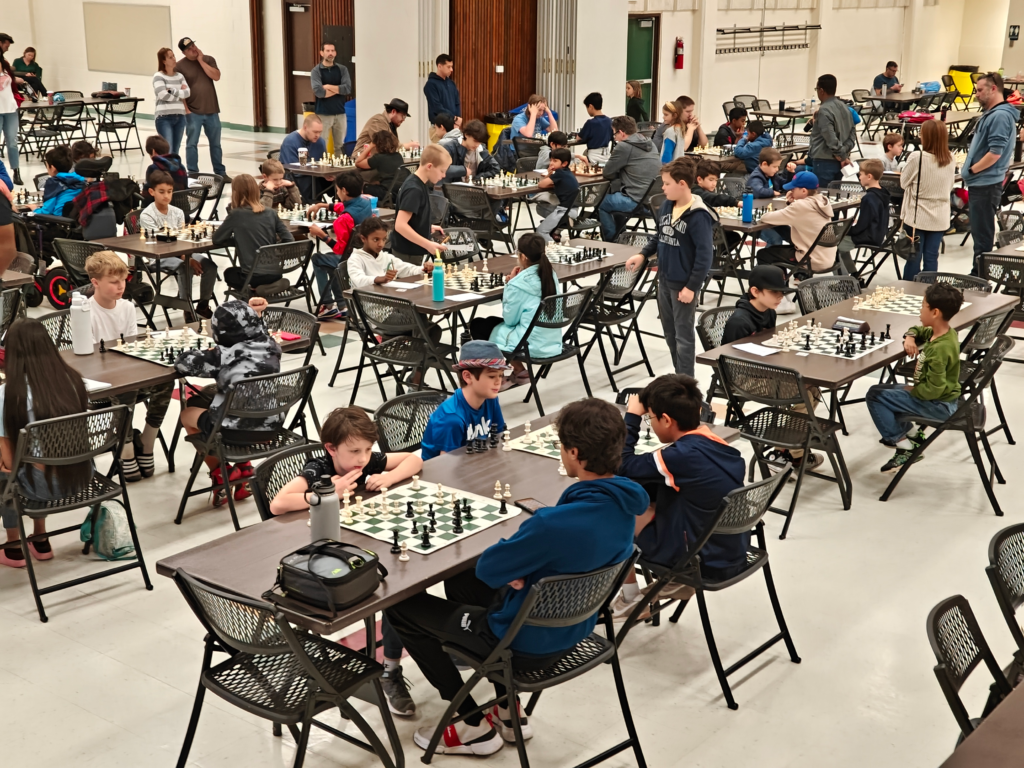
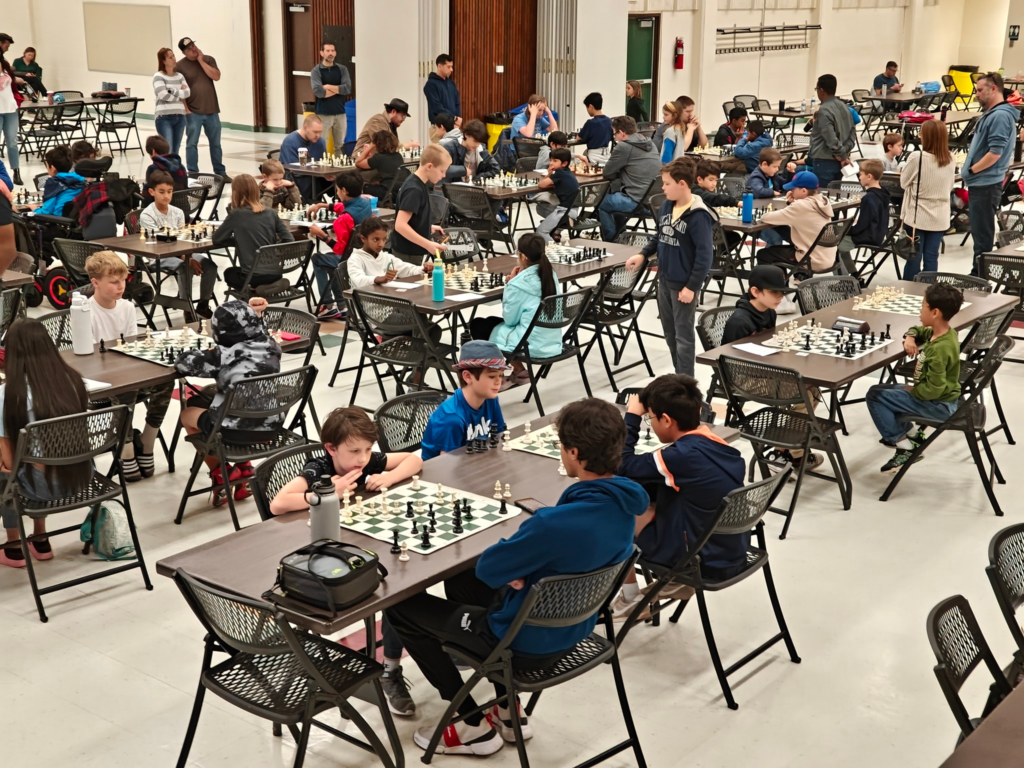
Our Monthly Chess Tournaments are great for testing your skills. Another way to enrich your experience with chess lessons around Denver!
Get a School Chess Program today—it’s a fantastic complement to chess lessons in Denver or the surrounding areas.
Join the official Summit School of Chess Club (on Chess.com) and connect with peers from all over Denver taking chess lessons together.