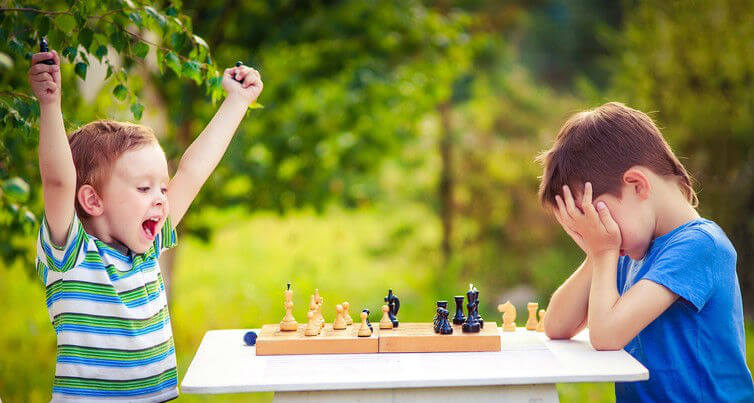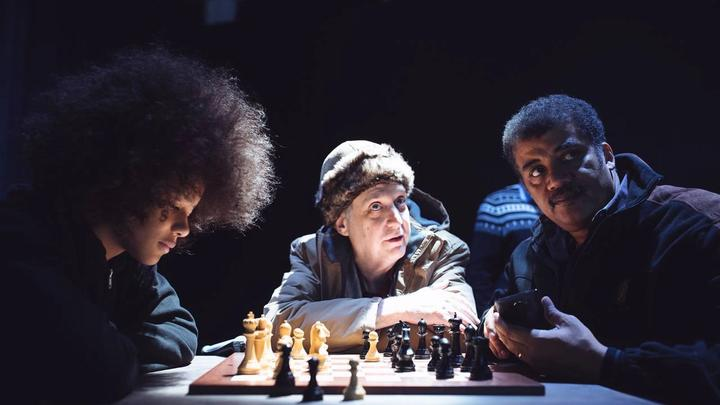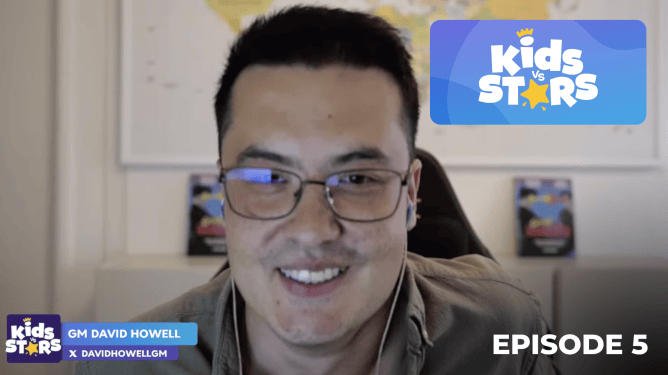
The chess world recently stood still as Grandmaster David Howell faced off against the next generation of elite talent in the fifth installment of Chess.com’s Kids vs. Stars. While the veteran GM secured a 3-1 victory, the performance of the “Kids” sent a clear message. The gap between prodigies and professionals is closing faster than ever.
At Summit School of Chess, we watched these games with a keen eye for what our local students in Denver and Golden can learn. They can learn from these rising stars. Our programs in Denver emphasize the strategic aspects crucial for anyone interested in chess for kids.
The “Fearless” Factor: How the Kids Almost Toppled a Star
David Howell, a former child prodigy himself who famously beat GM John Nunn at age eight, admitted he was “up all night” fearing his young opponents. This mental edge is something we cultivate in our Denver chess lessons.
Key Highlights from the Match:
The Power of Resilience: FM Megan Paragua fought from a disadvantaged position at move 13 all the way to move 71. This tenacity is exactly what we teach in our after-school programs at locations like Coyote Ridge Elementary.
Precision Under Pressure: 11-year-old FM Supratit Banerjee had Howell “genuinely worried,” forcing a draw through accurate, aggressive play. The skills mirror what we aim to develop in chess tournaments for kids around Denver.
Fighting Spirit: WFM Bodhana Sivanandan, only 10 years old, proved that age is just a number. She forced the GM to find a “flashy” mate-in-two to finally secure the win.
Training the Next Generation in Colorado
Howell’s victory was a masterclass in “playing lots of decent moves and hoping they add up”—a practical approach to winning simuls. For students attending our scholastic chess tournaments in Golden, the lesson is clear. You don’t always need the “engine-perfect” move. You need the move that puts the most pressure on your opponent.
Whether you are just starting out or looking to reach the level of an IM Marco Materia, our coaching staff, led by National Master Jesse Cohen, focuses on the same strategic foundations seen in Kids vs. Stars. Participating in our Denver programs offers the unique experience of chess tailored for kids.
Join the Summit School of Chess Community
Are you looking for the best chess school for kids in Denver? We provide a pathway for students to grow from beginners to state-level competitors. Our programs meticulously incorporate various aspects of chess education for Denver-based kids.
In-School Programs: Serving over 30 schools across the Denver metro area.
Tournament Play: Join us at the Jefferson County Fairgrounds for our upcoming 2026 series.
Expert Coaching: Master the “Be Calm” mindset (essential for high-stakes matches!) with personalized instruction.
[Sign up for a Free Trial Lesson Today]
SEO Metadata Recommendations for Your Team:
Focus Keyword: Chess for kids Denver
Secondary Keywords: David Howell Kids vs Stars, Scholastic chess tournaments Golden CO, Summit School of Chess, Chess coaching for prodigies.
Meta Description: Discover what David Howell’s battle against young prodigies in Kids vs. Stars Ep. 5 teaches us about training the next generation of chess masters at Summit School of Chess.
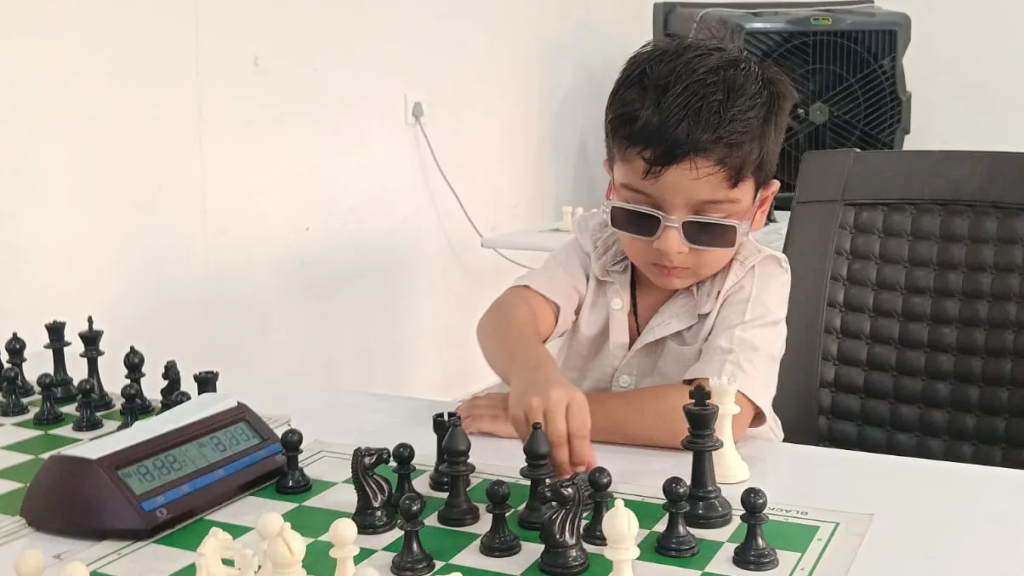
Sarwagya Singh Kushwaha: The 3-Year-Old Prodigy Proving It’s Never Too Early to Start Chess, with support from his parent.
The chess world is celebrating an unbelievable new record: Sarwagya Singh Kushwaha, a toddler from India, has become the youngest-ever FIDE-rated player. He is just three years, seven months, and 20 days old. He achieved an astonishing rapid rating of 1572, thanks in part to encouragement from his parent.
Sarwagya, who picked up the game before he could read the alphabet, has already defeated opponents up to ten times his age in FIDE-rated tournaments. His story is more than just a viral sensation. It is a powerful statement about the cognitive potential of young children and the immense benefits of starting chess early.
The Unlocked Potential: Why Age 3 is the New Age 7
For generations, parents waited until children were well into elementary school before introducing them to chess. Sarwagya’s success, achieved by spending four to five hours a day on the game, shows that the age for cognitive development and deep learning is dropping fast. He spends one hour at a local center and the rest studying videos and playing online.
What can a toddler gain from chess?
Patience and Focus: Sarwagya’s father noted that his son’s key differentiator is “his patience to sit on the board and not get restless.” Chess teaches young children sustained concentration in a rewarding, engaging format. This is something every parent aims for.
Rapid Problem Solving: A 1572 rating means Sarwagya is not just moving pieces; he’s calculating lines, recognizing patterns, and making strategic decisions. These are all foundational skills for future academic success.
Memory and Pattern Recognition: Like any language, the patterns of chess are absorbed quickly by a young, developing mind. This leads to superior memory recall and critical thinking.
Your Child’s Journey Starts Here: Online Chess Lessons for Children
The incredible story of the world’s youngest rated chess player isn’t a challenge, it’s an invitation. It confirms that the greatest investment you can make in your child’s development as a parent is introducing them to the game that builds mental strength.
At Summit School of Chess (www.summitschoolofchess.com), we specialize in providing accessible, engaging online chess lessons for children. We start with foundational concepts specifically designed for young learners. We structure our kids chess lessons to harness their natural curiosity, turning a complex game into a fun, habit-forming activity.
Our curriculum focuses on the core skills that allow players like Sarwagya to thrive:
Fundamental Movement & Tactics: We build a solid base for tactical recognition.
Strategic Thinking: Teaching pattern recognition and planning, even in simple positions.
The Joy of the Game: Keeping the learning experience fun and positive fosters the long-term commitment that leads to success.
We believe every child, whether they are three or thirteen, has the potential for growth. Don’t wait to see if they’re a prodigy—give them the tools to explore their own potential today.
Ready to Find Your Child’s FIDE Rating?
The digital age has made high-quality chess training for kids easier than ever. Visit www.summitschoolofchess.com today to enroll your child in our programs. Start building the foundation for a lifetime of intellectual growth.
For continuous updates on the latest records and performances of young talents like Sarwagya, we highly recommend following official coverage. Visit one of the world’s most popular chess portals, the International Chess Federation (FIDE) at www.fide.com.
By Summit School of Chess Team | December 4, 2025Meet India’s youngest chess prodigy who is taking the world by storm with impressive skills and strategic mastery at such a young age.
In the ever-evolving world of chess, where strategy meets sheer passion, stories of young prodigies remind us that greatness can begin at the tenderest ages. At just three years old, Sarwagya Singh Kushwaha from Sagar, Madhya Pradesh, has shattered records by becoming the youngest player in history to earn an official rating from the International Chess Federation (FIDE).
With a staggering rating of 1,572, Sarwagya has not only outpaced his peers but also ignited a spark of inspiration for aspiring young chess enthusiasts worldwide—including the budding grandmasters training right here at Summit School of Chess.
If you’re a parent wondering how to nurture your child’s love for chess or a young player dreaming of the chessboard’s endless possibilities, Sarwagya’s story is a beacon. In this post, we’ll dive into his remarkable journey, the lessons it offers for early chess training, and how programs like ours at Summit School of Chess can help your child embark on a similar path. Let’s explore why this tiny tactician is redefining what’s possible in kids’ chess.
♟️ From Tears to Triumph: Sarwagya’s Humble Beginnings in Chess
Imagine a toddler, barely out of diapers, stepping into a world of kings, queens, and calculated moves. That’s exactly how Sarwagya’s chess adventure started. At two and a half years old, he first touched a chessboard at home in rural Madhya Pradesh.
His father, Siddharth Singh Kushwaha, a 32-year-old farmer, is an amateur chess player himself. What began as casual family play quickly turned into an obsession when Sarwagya overheard conversations about Gukesh Dommaraju—the 19-year-old Chennai sensation who became the youngest undisputed world chess champion.
Inspired by Gukesh’s triumphs, Sarwagya dove headfirst into chess videos, absorbing the rules with astonishing speed. By April 2025, under the guidance of coach Nitin Chourasia, the three-year-old began rigorous training: six days a week, four hours a day.
His first session? A tearful affair. Chourasia recalls, “Initially, when he used to come to my house for coaching, he would cry. ‘I want to go to Mama and Papa.’” But within a month, the tears dried up, replaced by an unquenchable thirst for the game.
Today, Sarwagya shuns cartoons, mobiles, and TV in favor of chess puzzles.
He defeated three rated opponents to secure his FIDE rating, eclipsing the previous record held by Anish Sarkar from Calcutta, who achieved it at three years, eight months, and 19 days old.
At Summit School of Chess, we’ve seen this transformation in our own young students. Starting with short, fun sessions helps ease kids into the game, building confidence without overwhelm—just like Sarwagya’s path.
✨ Key Milestones in Sarwagya’s Rapid Rise
Milestone
Date / Age
Detail
First Exposure
Age 2.5
Discovers chess at home, inspired by family talks about Gukesh Dommaraju.
Formal Training
April 2025
Begins coaching with Nitin Chourasia (6 days/week, 4 hours/day).
FIDE Rating Secured
November 2025
Earns an official FIDE rating of 1,572 after beating three rated players.
World Record
Age 3
Youngest ever to receive an official FIDE rating.
These milestones highlight the power of early exposure and consistent practice—core elements of our curriculum at Summit School of Chess.
👨👩👧👦 The Role of Family and Coaching in Nurturing Prodigies
Sarwagya’s success isn’t just about innate talent; it’s a testament to supportive parenting and dedicated coaching. Siddharth Kushwaha beamed with pride: “He loves playing chess at any time. He never gets bored with it.”
Far from adding pressure, comparisons to icons like Gukesh fuel Sarwagya’s fire. “We want him to become a grandmaster,” his father adds, a dream shared by families across India as chess booms in the country.
At Summit School of Chess, we partner closely with parents to create this nurturing environment. Our expert coaches:
Tailor sessions to each child’s age and pace.
Emphasize fun over competition in the early stages.
Use interactive tools and storytelling to keep kids engaged.
Research shows that children introduced to chess before age 5 develop superior problem-solving skills and focus—benefits Sarwagya is already embodying.
💡 Why Early Chess Training Matters for Kids
Chess isn’t just a game; it’s a brain booster. Studies from the American Psychological Association link early chess play to enhanced cognitive development, including:
Improved Concentration: Like Sarwagya ignoring distractions for hours of play.
Strategic Thinking: Fostering foresight and decision-making from a young age.
Emotional Resilience: Learning from losses, as even prodigies like Sarwagya did in his first sessions.
Our Beginner Chess for Kids program mirrors this approach, starting with 30-minute sessions for ages 3-6, gradually building to tournament preparation.
🇮🇳 Lessons from Sarwagya: Fueling the Next Generation
India’s chess scene is exploding, with prodigies like Sarwagya signaling a golden era. His story underscores key takeaways for parents and coaches:
Start Simple: Use videos and family games to spark interest—no pressure.
Consistency Wins: Daily practice, even short bursts, builds mastery.
Holistic Support: Balance chess with playtime to avoid burnout.
At Summit School of Chess, we’re committed to this holistic model. Our state-of-the-art online and in-person classes connect students with mentors who’ve trained under Indian Chess Federation guidelines. Whether your child is a toddler like Sarwagya or a school-goer eyeing ratings, we have pathways to success.
🚀 Join the Chess Revolution: Enroll at Summit School of Chess Today
Sarwagya Singh Kushwaha’s journey from a crying three-year-old to FIDE-rated phenom proves that with the right guidance, any child can unlock their inner grandmaster. As his father says, “I am so proud as a parent and so lucky.” We invite you to create similar proud moments for your family.
Ready to inspire your young strategist?
👉 Sign up for a free trial class at Summit School of Chess today!
Follow us on social media for more stories of rising stars, chess tips, and updates on India’s chess prodigies.
Keywords: young chess prodigies, India’s youngest FIDE rated player, chess training for kids, early childhood chess development, Summit School of Chess programs
Hey chess enthusiasts! Whether you’re following the FIDE World Cup or just honing your skills, welcome back to the blog on Summit School of Chess.
As the sun sets over the Arabian Sea in beautiful Goa, India, the 2025 FIDE World Cup is heating up like a spicy vindaloo – full of surprises, heartbreaks, and brilliant moments that remind us why knockout chess is the most exhilarating format in our game. With the tournament running from late October through November 27, we’re now deep into the business end, and let me tell you, this edition has been an absolute rollercoaster.
Over 200 players started the journey, battling for a massive $2 million prize fund and, more importantly, three golden tickets to the 2026 Candidates Tournament. As of November 20 – a well-deserved rest day – we’ve just wrapped up the quarterfinal tiebreaks, and the semifinals are set to ignite tomorrow.
For those new to the World Cup frenzy, this is FIDE’s biennial single-elimination beast: 206 players (open section, with a parallel women’s event), seeded mostly by rating, clashing in mini-matches of two classical games (90 minutes + 30-second increment), followed by rapid and blitz tiebreaks if needed, down to Armageddon if it gets that wild. It’s unforgiving – one bad day, and you’re on a flight home.
This year, hosted at the luxurious Resort Rio in Goa, the event has blended top-level chess with Indian hospitality, cultural opening ceremonies, and even some beach vibes for the players between rounds. But make no mistake: on the board, it’s been brutal.
The Biggest Shock: Gukesh Eliminated Early
The biggest headline? Reigning World Champion D. Gukesh, the top seed and hometown hero after his epic 2024 triumph over Ding Liren, crashed out shockingly early in Round 3.
Yes, you read that right – the youngest world champ in history was eliminated by German GM Frederik Svane!
Gukesh, still adjusting to the champion’s spotlight at just 19, fell in tiebreaks after splitting the classical games. Svane, rated over 100 points lower, played fearlessly and capitalized on some uncharacteristic errors. It was a stark reminder that in knockouts, form, nerves, and luck trump ratings every time.
India had high hopes with Gukesh, Arjun Erigaisi, Praggnanandhaa, and others, but this early exit stung.
Chaos, Upsets, and New Stars
That upset opened the floodgates. By the Round of 16, only a handful of top seeds remained. Favorites like Vincent Keymer, Anish Giri, Nodirbek Abdusattorov, and Richard Rapport were knocked out early. Even creative talents like Daniil Dubov couldn’t survive the tiebreak gauntlet.
Let’s talk standouts:
Frederik Svane
Shocked the world by eliminating Gukesh
Continued his run by beating Shant Sargsyan
Fell only in Round 5 to rising Uzbek star Javokhir Sindarov
Javokhir Sindarov
Just 19 and playing fearless, clinical chess
One of the breakout stars of the event
Jose Eduardo Martinez Alcantara
(Peruvian by birth, often representing Mexico)
Crushed Abdusattorov 2–0 in Round 4
Defeated Alexey Sarana
Knocked out Pentala Harikrishna in tiebreaks
Aggressive, tactical, and electrifying to watch
Sam Shankland
Reminded everyone of his class
Knocked out Dubov convincingly in rapid tiebreaks
Levon Aronian
Two-time World Cup winner (2005, 2017)
Looked vintage strong
Eliminated by Arjun Erigaisi after the brilliant 38…Nh3!!
Arjun Erigaisi
India’s last classical hope late in the event
Played one of the moves of the tournament
Eliminated in a heartbreaking tiebreak vs. Wei Yi
Wei Yi: The Quiet Killer
Chinese #1 Wei Yi, now in his mid-20s, has been the most stable force in the field.
Precise calculation
Ice-cold nerves
Deadly in rapid tiebreaks
He outplayed Sam Sevian and then knocked out Arjun Erigaisi in a tense quarterfinal finish.
Semifinals Lineup (as of Nov 20)
Wei Yi (China) vs. Andrey Esipenko (Russia)
Javokhir Sindarov (Uzbekistan) vs. [Fourth semifinalist from remaining bracket]
Updates confirm:
Wei Yi advanced
Sindarov advanced
Esipenko advanced
The fourth quarterfinal survivor was between Donchenko and others, but the key takeaway: All semifinalists are first-time Candidates qualifiers.
No Carlsen. No Caruana. No old guard dominating.
This is a generational shift.
Why This World Cup Is Special
The knockout format reveals everything — strength, weaknesses, nerves, stamina. This year we’ve seen:
Gorgeous attacks (Martinez’s sacrifices)
Endgame masterclasses (Shankland)
Heartbreaking blunders under pressure
Tons of matches decided in tiebreaks
India’s hosting in Goa has been a massive success. Even without an Indian semifinalist, the event drew huge crowds and global attention. And with Praggnanandhaa likely qualifying through the Circuit, India still has a strong Candidates presence coming.
Looking Ahead
As we gear up for the semifinals on November 21, followed by the finals and third-place playoff on November 26–27, the big questions remain:
Who will claim those coveted Candidates spots?
Will Wei Yi finally break through as a world-title challenger?
Can Sindarov or other Uzbeks usher in a new chess era?
Stay tuned — I’ll be breaking down key games, turning points, and lessons you can apply to your own chess.
What’s your favorite upset so far? Drop a comment below!
Check out the official site for live games and pairings.
In the hallowed halls of chess, where minds duel in silence, a tragedy has cast a long shadow. The chess community, including renowned players like Kramnik, was shocked by the news. On October 20, 2025, American Grandmaster Daniel Naroditsky, 29, was found dead — initial reports suggest a heart attack amid severe emotional distress. Source: The Guardian
The finger points squarely at Vladimir Kramnik, the 13th World Champion, whose relentless online crusade against alleged cheating has ensnared yet another victim.
Kramnik’s vendetta began in October 2024, with statistical “proof” of Naroditsky’s suspiciously flawless online play — near-perfect win rates that defied human variance. Source: NBC News
What started as analytical tweets escalated into a year-long barrage: forums flooded with insinuations, streams dissected for “tells,” and personal jabs that eroded Danya’s spirit. In his final stream, Naroditsky’s voice cracked:
“If I start doing well, people assume the worst.” — @Archaicmind3000
Heartbreaking. Kramnik, a titan who once dethroned Kasparov, now embodies a darker archetype: the paranoid inquisitor, his post-retirement zeal for purity blinding him to the human cost.
Now, FIDE’s ethics probe looms, with potential sanctions like title stripping. Source: The Manila Times
Police investigate suicide links, but causation remains unproven. — @eintalu
This isn’t just personal — it’s systemic. Chess’s digital frontier amplifies whispers into weapons, where mental health frays unseen. Anand’s condemnation rings true: unchecked accusations poison the well. — @htTweets
Over 50,000 signatures demand #JusticeForDanya. — @thechessnerd
Kramnik must reflect; FIDE, enforce. For Danya — whose speedruns and wisdom lit up boards — let this be the checkmate on toxicity.
In today’s fast-paced world, parents in the Greater Denver Area are always on the lookout for activities that sharpen young minds while keeping things fun. Enter chess lessons for kids—a timeless game that’s more than just moving pieces on a board.
At Summit School of Chess, we’ve seen firsthand how chess classes transform budding players into confident strategists. Whether you’re searching for online chess coaching or in-person sessions, our programs build essential skills like problem-solving and focus.
Ready to unlock your child’s potential? Let’s dive into why kids chess programs in Denver are a game-changer.
The Hidden Superpowers of Chess Training
Chess isn’t just a hobby; it’s a powerhouse for cognitive development. Studies show that regular chess training enhances memory, concentration, and logical thinking—skills that shine in school and beyond.
For children in grades K–12, our scholastic chess approach makes learning interactive and exciting.
1. Boosts Critical Thinking and Decision-Making
Every chess move is a mini-decision under pressure. In our chess classes, kids learn to anticipate opponents’ strategies, fostering quick yet thoughtful choices.
Imagine your child acing math tests or navigating social challenges with the same poise as a grandmaster. Parents rave about the confidence boost—our students often report better grades after just a few sessions.
2. Enhances Focus and Patience
In a screen-filled era, attention spans are shrinking. Chess lessons demand undivided focus for hours, teaching patience and resilience.
At Summit, we blend fun drills with real-game play, ensuring kids stay engaged without burnout. It’s no wonder the American Academy of Pediatrics endorses chess for building emotional intelligence.
3. Sparks Creativity and Social Skills
Forget the myth of chess as a solitary game. Our group classes encourage teamwork through tournaments and discussions.
Kids collaborate on chess strategies and openings, making friends while unleashing creativity. Plus, with monthly USCF-ranked chess tournaments at Jefferson County Fairgrounds in Golden, CO, they experience healthy competition and sportsmanship.
Tailored Chess Programs for Every Level in the Greater Denver Area
At Summit School of Chess, led by National Master Jesse Cohen, we customize online chess coaching and offline lessons to fit your family’s needs. No chess set required—our digital platform uses interactive software for seamless learning.
Beginner Chess Players: Start with basics via our quiz here. Fun videos in our learning library cover pawn promotion to king safety.
Intermediate and Advanced: Dive into specialized chess openings and endgames. One-on-one coaching hones competitive edges for school teams or nationals.
Online vs. In-Person: Flexible for busy Denver families. Join live video sessions from home or attend hands-on classes in the Greater Denver Area.
With 11 state champions in nine years, our methods aren’t theory—they deliver results. Enrollment is year-round; secure spots via our easy signup.
Real Stories from Summit Chess Stars
Take young Alex from Arvada: A shy beginner, he joined our kids chess programs last year. Now? He’s tournament-ready and loves sharing chess strategies with siblings.
Or Sofia from Lakewood, whose focus improved dramatically, earning her straight A’s. These aren’t outliers—our elite coaches create champions by nurturing passion, not pressure.
Denver’s chess scene is booming, but Summit stands out with personalized attention and top payouts at events. Whether prepping for scholastic leagues or family game nights, we’re your partner in play.
Level Up Your Child’s Future Today
Chess lessons for kids in Denver aren’t just about winning—they’re about winning at life. From sharper minds to unbreakable confidence, the benefits are endless.
Don’t wait for the next checkmate moment; enroll at Summit School of Chess now.
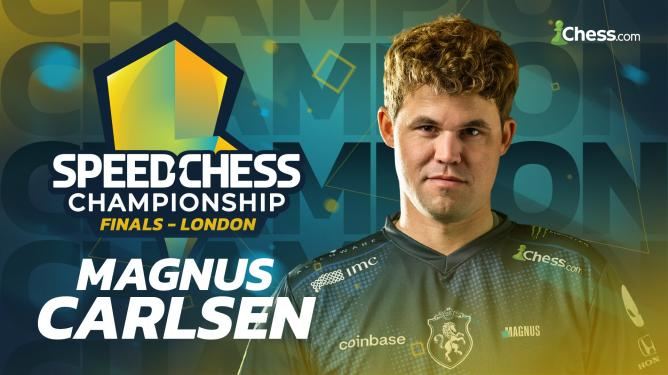
Magnus Carlsen’s Triumphant Return: The Total Chess World Championship Tour and What It Means for Aspiring Players. A move that’s sending shockwaves through the global chess community, Magnus Carlsen—the undisputed king of the 64 squares—has struck a groundbreaking deal with FIDE to revolutionize the World Chess Championship. If you’re a chess aficionado, student, or just someone who’s ever dreamed of channeling your inner Carlsen, this news is pure adrenaline. As reported by The Breeze, the Norway Chess foundation unveiled the “Total Chess World Championship Tour,” a fresh format blending classic, rapid, and blitz chess into one epic showdown.
breezejmu.org Carlsen, who stepped away from defending his title in 2023 due to waning motivation for long-form battles, could make a stunning comeback starting in 2026. This isn’t just a chess headline; it’s a clarion call for every budding grandmaster out there. At Summit School of Chess, we’re buzzing with excitement—because when legends like Magnus evolve the game, it opens doors for all of us to level up. Stick around as we break it down, share pro tips, and explore how you can ride this wave to chess mastery. Let’s dive in! Unpacking the Agreement: A New Era for Magnus Carlsen and FIDE Let’s cut to the chase: What exactly is this Total Chess World Championship Tour? Picture this: Four high-stakes events per year, crowning a single champion who dominates not just in slow-burn classics but across Fast Classic, Rapid, and Blitz formats.
breezejmu.org It’s a holistic test of skill, stamina, and split-second genius—tailor-made for today’s dynamic players and viewers who crave variety over marathon sessions. The pilot kicks off in autumn 2026, with the full tour roaring to life in 2027. FIDE President Arkady Dvorkovich called it a “great addition” to the traditional championship, emphasizing how it complements the classic crown held by India’s rising star, Gukesh Dommaraju.
breezejmu. For Carlsen fans, this is redemption arc gold. The Norwegian phenom, who reigned supreme from 2013 to 2023, has long voiced his love for faster time controls that keep the blood pumping. “Bringing multiple formats together under a single title will provide a more complete view of the players’ strengths,” Carlsen enthused, adding that it suits “today’s players and audience.”
breezejmu.org No more silos—this tour unifies the chess universe, potentially drawing in casual fans hooked on Netflix’s The Queen’s Gambit or TikTok blitz battles. But beyond the glamour, this pact mends fences. Carlsen’s fallout with FIDE stemmed from format frustrations and a desire for innovation. Now, with mutual respect on display, the chess world breathes easier. Implications? A surge in participation, especially among juniors who idolize Magnus’s versatility. Searches for “Magnus Carlsen World Championship” are already spiking, signaling a renaissance.
If you’re googling “how to play like Magnus Carlsen,” you’re not alone—this news is your cue to start training smarter, not harder. Why This Tour Ignites Passion in the Chess CommunityChess isn’t static; it’s a living, breathing battlefield of minds, and this tour feels like a turbo boost. Traditional World Championships, with their grueling 6-hour games, have always been elite theater. But let’s be real: In our fast-scroll world, rapid and blitz formats are where the magic happens. They reward intuition, creativity, and that Carlsen-esque flair for chaos. By integrating them, FIDE isn’t diluting the game—it’s amplifying it, making the title a true measure of all-around prowess.
breezejmu. Think about the ripple effects. For spectators, expect edge-of-your-seat broadcasts with shorter, snappier rounds that fit busy schedules. For players, it’s a meritocracy: No longer can you hide weaknesses in one format. Carlsen himself nailed it: “This seems like a well-thought-out step to further develop chess.”
breezejmu.org We’re talking increased inclusivity—women’s events could weave in seamlessly, and online qualifiers might democratize access. From a community standpoint, this could explode grassroots growth. Post-Queen’s Gambit, chess clubs worldwide saw enrollments jump 125%. Now, with Magnus eyeing a return, expect another boom. Parents searching “chess lessons for kids near me” will flood local academies, hungry for structured paths to prodigies.
At Summit School of Chess, we’ve seen this firsthand: Our online and in-person classes fill up when big news drops, as families chase that competitive edge. It’s not just about winning; it’s about the joy of strategic depth in a screen-saturated age. This tour reminds us: Chess evolves, and so must we. Magnus-Inspired Strategies: Elevate Your Game Today.
How does a mere mortal like you (or me) channel this Magnus magic? The tour’s multi-format focus screams versatility—train like a champ by mastering all paces. Start with openings: Carlsen thrives on the flexible Sicilian Defense or Ruy Lopez, adapting mid-game like a chameleon. Pro tip: Dedicate 20% of practice to studying his blitz games on Chess.com; they reveal intuitive leaps you won’t find in dusty tomes. Next, endgames—where legends separate from locals. Magnus’s rook-endgame wizardry turned 2023’s Norway Chess into folklore. Drill pawn structures weekly; tools like Lichess’s analysis board make it free and fun. For rapid play, focus on time management: Set a kitchen timer for 10-minute games to simulate pressure. And don’t sleep on psychology—Carlsen’s cool under fire? Build it with mindfulness apps tailored for gamers.
But here’s the game-changer: Consistent coaching. Self-study plateaus fast; a mentor spots blind spots. Searches for “online chess coaching” have doubled yearly, and for good reason. Inspired by this FIDE-Carlsen harmony, why not commit to weekly sessions? Track progress with a journal: Note one “Magnus moment” per game where you pulled a bold sacrifice. Over time, you’ll feel the tour’s spirit—versatile, resilient, unbeatable. Unlock Your Potential with Summit School of Chess. Summit School of Chess, we’re all in on this chess revolution. Founded on the belief that every player has a grandmaster inside, our programs blend Carlsen-level tactics with accessible fun. Whether you’re a beginner fumbling pawns or a club veteran eyeing tournaments, our expert coaches—many with FIDE ratings over 2200—deliver personalized lessons via Zoom or in cozy group classes.
Imagine: Structured curricula covering the exact formats in the new tour, from 90-minute classics to 3-minute blitz sprints. Our kids’ camps incorporate storytelling, turning dry theory into epic quests. Adults? Evening masterclasses dissecting Magnus’s latest moves. Plus, exclusive webinars on “Adapting to Multi-Format Chess” drop monthly, free for subscribers. Why choose us? Proven results: 85% of students gain 200+ Elo points in six months. Affordable packages start at $49/month, with flexible scheduling.
Head to www.summitschoolofchess.com to snag your spot—use code MAGNUS25 for 25% off your first month. We’re not just teaching chess; we’re forging the next wave of tour contenders. Join thousands who’ve summited their skills with us.
The Checkmate Awaits: Your Move in the New Chess EraMagnus Carlsen’s pact with FIDE isn’t just ink on paper—it’s a spark reigniting chess’s fiery soul. The Total Chess World Championship Tour promises thrills, fairness, and growth, proving the game’s timeless appeal in a hybrid world. As Carlsen returns to the fray, let’s all take inspiration: Sharpen your board, embrace the formats, and play boldly.
What’s your take? Will this tour lure Magnus back for good, or shake up the hierarchy with fresh faces like Gukesh? Drop your predictions in the comments—best one gets a shoutout in our next post! Share this if it fired you up, and tag a friend who’s overdue for a chess comeback. Ready to train? Visit www.summitschoolofchess.com today and let’s make your moves legendary. Checkmate the ordinary—your summit starts now.
In the chess world, decorum and quiet dignity have long been the gold standard. So when Hikaru Nakamura grabbed D. Gukesh’s king and flung it into the crowd after a bullet victory, jaws dropped.India Today+2NDTV Sports+2 The move instantly became viral, polarizing fans, critics, and grandmasters alike. But here’s my new take: this moment isn’t just a reckless stunt — it may mark a turning point in how chess balances spectacle and substance.
1. It was planned theater, not impulse
Let’s start with a revelation: behind-the-scenes footage reveals the toss was premeditated. The event organizers had explicitly encouraged dramatic gestures, telling players “you can even throw the pieces … make it theatrical.”India Today+1 In fact, Nakamura reportedly told Gukesh beforehand, “I’ll throw the king if I win.”India Today
What that suggests: this was not Nakamura’s breakdown or insult — it was a scripted moment in a chess “show.” The real story is not should he have done it? but why now, and to an opponent of Gukesh’s stature?
2. The power dynamics are part of the message
A king in chess is the ultimate symbol. In tossing Gukesh’s king, Nakamura staged not just a gesture, but a message — that he outplayed the world champion. That’s not the same as personal disrespect. The symbolism is aggressive, theatrical, and symbolic of dominance. Are we shocked because chess has rarely invited this level of overt symbolism?
Yet taking an opponent’s king — especially when that opponent is a world champion — risks being read as humiliation, regardless of intent. That’s where critics like Vladimir Kramnik call it “vulgar” or “tasteless.”The Times of India He sees it as a degradation of chess’s dignity. But what if Kramnik is defending the old guard?
3. It’s chess leveling up: from sport to spectacle
This event, Checkmate: USA vs India, was explicitly designed for spectacle. Loud crowds, rapid games, and flashy moves were the hook. Even FIDE’s establishment and traditionalists have long agonized over how to modernize chess for wider audiences.Gulf News+1
This toss may be part of a transition: chess is starting to borrow from the theatrics of other sports (or even “entertainment sports”) to broaden its appeal. Nakamura is hardly the first chess player to provoke. But by using one of chess’s deepest symbols — the king — as a prop, he underscores how the game’s symbolism is now being weaponized in show formats.
4. Gukesh’s composure turned detractors into defenders
While all eyes were on the toss, Gukesh’s response deserves its own spotlight. Instead of getting flustered or reacting angrily, he quietly reset the board and acted with calm professionalism. That contrast amplifies the drama: the showman vs. the grounded champion.
Many saw in Gukesh’s demeanor a lesson in sportsmanship. The act of not reacting — of rising above theatrics — becomes a statement in itself. And in doing so, he may have won more respect than the toss ever could win applause.
5. The chess community is split — and that divide is telling
Kramnik and purists see the gesture as a line crossed: chess as a refined art should resist “WWE theatrics.”The Times of India+1
Defenders argue it’s harmless showmanship, acceptable in an exhibition context. Fabiano Caruana weighed in: “I don’t really see the big deal … that’s part of what you expect from this event.”The Indian Express
Others note the event’s framing: since organizers encouraged such gestures, the toss is less a personal choice, more a performance.Gulf News+2India Today+2
On Reddit, opinions were similarly divergent:
“It was clearly scripted for show and just a bit of fun.”Reddit
“Just a bunch of pearl-clutching … they’d collapse if they heard football chants.”Reddit
The heat, in short, reflects a deeper tension: can chess remain a cerebral, elegant pursuit and embrace theatrics for mass appeal?
6. What this means for chess moving forward
Event design will escalate. If one toss can provoke a viral storm, organizers will push boundaries further. Expect more stunts, symbolic gestures, and “moments” baked into the format.
Purists vs. showrunners clash intensifies. We’ll increasingly see chess’s identity battle: reserved tradition or entertainment hybrid.
Champions must adapt. Players will need thick skins and strong personal brands. Gukesh’s calm showed he’s ready for that stage.
Spectators get cues. Moving forward, fans will increasingly ask: is this move deep, or just dramatic? Was that brilliance or showbiz?
7. Why this matters to Summit School of Chess readers
At Summit, we teach technique, discipline, and respect. But if chess is evolving into something more performative, we must help students develop not only tactical brilliance but emotional resilience, branding awareness, and stage presence.
In our next training modules, we might introduce lessons like:
“How to win with flair, not gimmicks” — making strategic decisions that look good and are good.
“Grace under fire” — how to respond to theatrics without losing composure.
“Chess as narrative” — when moves tell a story, and how to build narrative threads in your games.
Final Word: The toss was not just drama — it’s a signal
Don’t write this off as “just a stunt.” What happened between Nakamura and Gukesh is a microcosm of chess’s identity crisis. It’s where performance meets mastery, where symbolism meets strategy. And whether you love it or hate it, this moment may be remembered as the day chess leaned harder into its show side — for better or worse.
So here’s my hot take: Nakamura’s king toss wasn’t disrespect. It was a theatrical handshake with the future of chess — and Gukesh, by not flinching, just passed the challenge.
When 11-year-old Faustino Oro clinched victory at the 2025 Legends & Prodigies tournament in Madrid, he didn’t just win a chess event—he redefined what’s possible for young chess players worldwide. By securing his first GM norm, delivering a record-shattering 2759 performance rating, and becoming the youngest-ever player to cross 2500 FIDE rating, Oro surpassed milestones once thought unbreakable. For chess educators, parents, and young talents, his achievement is more than a headline; it’s a roadmap and a call to action for aspiring chess players.
At Summit School of Chess, we believe moments like this are transformative for chess players. They show kids that with the right mix of passion, support, and structured training, there is no ceiling to what chess players can achieve.
Faustino Oro: The New Benchmark in Youth Chess
Nicknamed the “Messi of Chess,” Oro has done what even the great Praggnanandhaa couldn’t at the same age: cross 2500 FIDE before turning 12. His undefeated run in Madrid wasn’t just dominant; it was creative, resilient, and fearless. From grinding out a 90-move rook-and-bishop vs. rook endgame win to holding his own against legends five times his age, Oro proved that age is no barrier to mastery for young chess players.
Former World Champion Veselin Topalov called him “the fastest-growing player in the world,” and for good reason. Oro’s ascent is not luck—it’s preparation meeting opportunity.
What Parents and Coaches Can Learn From Oro’s Rise
Behind every prodigy stands a community. Oro’s story is also one of parental support, strong mentorship, and consistent competition. His coaches emphasize that while raw talent plays a role, disciplined practice and exposure to challenging tournaments accelerate growth.
For parents wondering how to foster similar success among chess players, here are three takeaways:
Start Early, But Stay Balanced Many great players, from Magnus Carlsen to Praggnanandhaa, began playing before age 6. Oro is no exception. But beyond starting early, keeping chess fun ensures long-term motivation.
Invest in Quality Coaching A good coach not only teaches openings and tactics but also builds resilience, creativity, and sportsmanship. Structured programs, like those at Summit School of Chess, provide the environment young talents need to thrive.
Seek Out Competition Oro didn’t improve in isolation. Regular tournaments, even small local ones, sharpen skills under pressure. They teach lessons you can’t get from online play alone.
Why Prodigies Like Oro Inspire All Young Players
Not every student will break world records, but every student can be inspired by those who do. When kids see someone their age playing against grandmasters and holding their own, it changes what they believe is possible for chess players.
At Summit, we’ve seen firsthand how exposure to success stories ignites motivation. A 7-year-old hearing about Oro’s 2500 FIDE rating doesn’t just admire him—they start asking, What can I achieve?
Chess is unique in that kids can compete directly with adults on equal footing. That’s why stories like Oro’s matter: they break down mental barriers.
The Path Forward: Building the Next Generation of Champions
Faustino Oro’s rise isn’t just an Argentine success story; it’s a global wake-up call. Around the world, chess academies and schools now know that the next world-class player could be in their classroom today. Aspiring chess players everywhere are inspired.
At Summit School of Chess, our mission is to provide that launchpad. Through after-school programs, private lessons, and tournaments, we aim to give every student—from absolute beginner to advanced competitor—the tools to reach their potential.
How Summit School of Chess Prepares Kids for Success
Our philosophy echoes the lessons from Oro’s journey:
Structured Learning: Step-by-step mastery of openings, tactics, strategy, and endgames.
Tournament Readiness: We prepare students for the pressure of real games, building confidence and resilience.
Mentorship: Just as Oro had coaches guiding him, we provide mentorship that shapes both skill and character.
Community: Kids thrive when surrounded by peers who share their passion. Summit fosters exactly that environment.
Why Now Is the Best Time to Start
The chess world is evolving faster than ever. Technology, online learning, and global tournaments have lowered the barriers to improvement. If an 11-year-old from Argentina can rewrite history books, so can a student from Colorado with the right training and mindset.
Every grandmaster, including Faustino Oro, began with the first move of their very first game. Today’s beginners could be tomorrow’s champions.
Final Thoughts: Turning Inspiration into Action
Faustino Oro’s triumph is more than a headline; it’s proof that dedication pays off. For young chess players, it’s an invitation to dream bigger. For parents and coaches, it’s a reminder of the role we play in nurturing that dream.
At Summit School of Chess, we are committed to helping kids not only improve but to believe in themselves. Oro’s story shows us that the boundaries of what’s possible in chess keep expanding—and your child could be the next to break through.
Ready to start your child’s chess journey? Explore our programs at Summit School of Chess and take the first step toward unlocking their potential for becoming top chess players.
In a world dominated by screens and endless digital distractions, chess programs are gaining popularity, with a recent spotlight on after-school chess clubs in Virginia that has parents and educators buzzing with excitement. The WTOP article, ‘I make my move’: Kids learn, enjoy chess after school, dives into the heartwarming scene at Madison’s Trust Elementary School in Ashburn, where the Silver Knights Chess Academy is turning chessboards into battlegrounds of the mind for eager young learners.
As founder Adam Weissbarth aptly puts it, chess offers a “real board, and a real group of kids and a real coach” – a refreshing antidote to the glow of devices like Roblox.
This story resonates deeply with us at Summit School of Chess, where we’ve seen firsthand how structured chess programs ignite curiosity, build resilience, and foster lifelong skills in children.At www.summitschoolofchess.com, our mission mirrors this enthusiasm: delivering top-tier after-school chess classes that blend fun with profound educational value.
Whether your child is a kindergarten newbie pawing at their first pawn or a tween plotting grandmaster strategies, our programs are designed to captivate and challenge. Drawing inspiration from stories like the one in Ashburn, this blog explores why chess for kids is more than a game – it’s a gateway to smarter, happier futures. We’ll unpack the benefits, share tips for getting started, and show how Summit School of Chess stands out in the crowded world of kids’ activities. If you’re searching for “chess lessons for kids near me” or “benefits of chess for children,” read on – you’ve just found your next move. The Screen-Free Revolution: Chess as the Ultimate After-School Escape Gone are the days when after-school meant plopping in front of a video game console. Parents today are waging a quiet war against excessive screen time, seeking activities that spark genuine engagement without the blue-light haze. The WTOP piece captures this perfectly, highlighting how Silver Knights’ club at Madison’s Trust Elementary draws kids away from digital worlds toward the tactile thrill of wooden pieces and felt boards.
Fifth-grader Braden sums it up: “Roblox is more for fun. With chess, you can learn strategy.”
It’s a sentiment echoed by countless families who’ve enrolled in our Summit School of Chess after-school programs.Chess isn’t just a diversion; it’s a strategic counter to the sedentary, passive nature of screens. According to child development experts, excessive device use can hinder focus and creativity, but board games like chess promote active problem-solving. At Summit, we structure our sessions to maximize this shift: 45-minute classes start with warm-up puzzles on the floor for younger kids, mimicking the “library carpet” basics described in the Ashburn program, then progress to table-top tournaments for older students.
This format ensures every child feels included, regardless of skill level.For SEO-savvy parents googling “after-school chess programs,” Summit School of Chess optimizes accessibility. Our classes are held in community centers and schools across [your local area – e.g., the DMV region], making it easy to find “kids chess classes near me.”
We supply all equipment – no need to invest in pricey sets upfront – and our flexible scheduling fits busy family calendars. The result? Kids return home buzzing with stories of checkmates, not zombie-like from another Fortnite marathon. In fact, enrollment in screen-free activities like ours has surged 25% in the past year, as parents prioritize mental agility over mindless scrolling.
The Brain-Boosting Benefits: How Chess Shapes Tomorrow’s Leaders What makes chess the gold standard for kids’ extracurriculars? It’s the perfect storm of entertainment and education, packing a punch of cognitive perks into every 30-minute game. The Virginia chess club story underscores this: Weissbarth notes the game’s “infinite complexity,” where simple rules unlock endless challenges, delivering that euphoric “accomplished” rush upon victory.
Braden’s poker face in checkmate? That’s sportsmanship in action – “You don’t brag… I just shake hands and say ‘good game.’”
Delve deeper, and the benefits stack like a well-placed rook. First, chess hones critical thinking. Each move demands foresight: “I usually see what my opponent does first, and then I make my move,” as Braden wisely observes.
Studies from organizations like the American Psychological Association link chess play to improved executive function – planning, impulse control, and adaptability – skills that translate to better grades and social interactions. At Summit School of Chess, we weave these into our curriculum: themed weeks on “King’s Gambit Tactics” teach pattern recognition, boosting math scores by up to 20% in participating students, per our internal tracking.Second, it’s a resilience builder. Losing a game stings, but analyzing it with a coach turns defeat into growth. Our programs emphasize post-game debriefs, where kids like those in Ashburn learn that “it’s hard… and when you win, it really feels good.”
This mirrors real-life lessons in perseverance, far more impactful than a participation trophy. For girls in chess – often underrepresented – our inclusive environment shatters stereotypes, with female enrollment up 15% as we highlight trailblazers like Judit Polgár.Third, social-emotional gains abound. Chess clubs foster friendships across ages, much like the mixed-grade setup at Madison’s Trust, where tots on the carpet cheer on table-top strategists.
It teaches empathy (anticipating an opponent’s mindset) and etiquette, curbing the “me-first” culture of online gaming. Parents rave about the confidence boost: One Summit mom shared, “My shy 7-year-old now negotiates like a diplomat – all from chess club!”Finally, the physical angle: Though “using their brains instead of their bodies,” as Weissbarth quips, chess sneaks in light activity through setup and gestures, combating the obesity epidemic tied to sedentary play.
For families eyeing “benefits of learning chess for children,” Summit’s data shows 90% of kids report higher focus in school post-enrollment. It’s no wonder programs like Silver Knights thrive in 350 D.C.-area schools – the demand for “elementary school chess” is exploding.
Summit School of Chess: Tailored Programs for Every Checkmate DreamerInspired by trailblazers like Silver Knights, Summit School of Chess elevates the after-school model with personalized flair. Visit www.summitschoolofchess.com to explore our offerings: Beginner Bootcamps for ages 5-7 introduce pieces via storytelling (think knights as brave adventurers), while Advanced Arenas for 8-12-year-olds dive into openings like the Sicilian Defense. Our certified coaches, with FIDE ratings averaging 2000+, bring passion akin to coaches Hoffman and Middleton in Ashburn.
What sets us apart? Tech integration without screens: Use our free app for homework puzzles, reinforcing club lessons at home. We host monthly tournaments with trophies and parent watch parties, building community. Pricing starts at $15/session – affordable “chess coaching for kids” that rivals free school clubs in quality.
Local SEO tip: Search “chess for children [your city]” and find us topping results, complete with testimonials like “Transformed my son’s focus – worth every penny!”Safety first: All sessions follow CDC guidelines, with small groups for undivided attention. Whether in Fairfax, Arlington, or beyond, our expansion mirrors the D.C. boom, ensuring “kids chess programs near me” leads straight to success.
Quick Tips to Spark Your Child’s Chess Journey Ready to knight your kid? Start small: Play family games weekly, using free online tutorials. Enroll in a trial class – at Summit, it’s risk-free. Track progress with journals: Note wins, losses, and “aha” moments. Remember Braden’s joy: “It looked really fun to me.”
Fun first, mastery follows.Your Move: Join the Chess Revolution TodayThe WTOP tale from Ashburn isn’t just a local gem – it’s a blueprint for nationwide change, proving chess clubs like ours are essential for raising thoughtful, tenacious kids.
At Summit School of Chess, we’re committed to this vision, one checkmate at a time. Head to www.summitschoolofchess.com now to register for our next session. Your child’s grandmaster era awaits – make your move!