The Isle of Man Hosts the FIDE Grand Swiss: A Game-Changer for Chess

In the world of chess, the FIDE Grand Swiss is an event that commands global attention and brings together some of the brightest minds in the sport. This year, the tournament has found a unique home on the Isle of Man, and it’s set to captivate millions of chess enthusiasts from around the world. In this blog post, we will explore this exciting development and discuss how it impacts the chess community, including the players, organizers, and the local chess scene.

The Isle of Man: A Chess Oasis

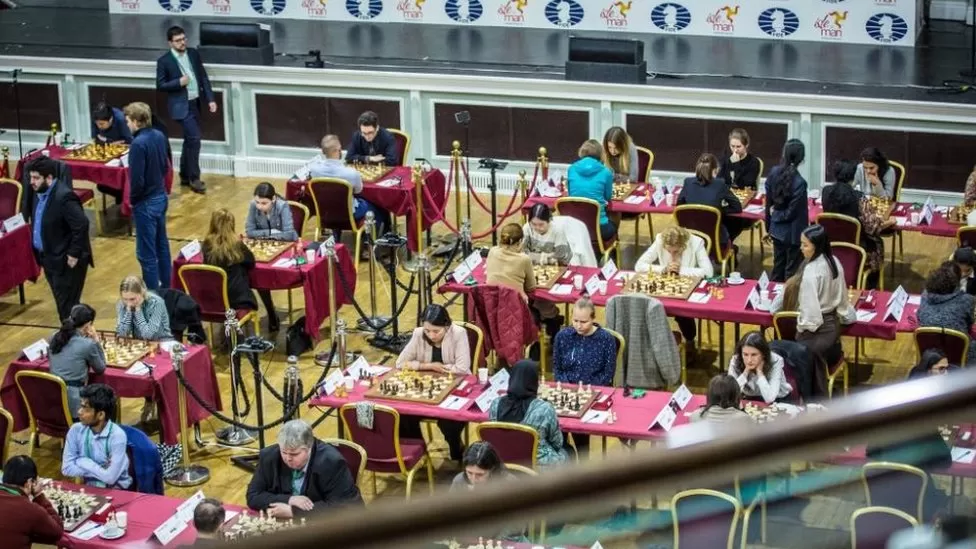
The Isle of Man, known for its stunning landscapes and rich history, has become an unexpected chess haven. The International Chess Federation (FIDE) Grand Swiss, a prestigious chess tournament, is currently taking place on the island, with the Villa Marina as its hosting venue. Organizers of the event have ambitious goals, predicting that the tournament will be watched by millions through online streaming platforms. This is a testament to the enduring global popularity of chess.

The Grand Swiss tournament is nothing short of spectacular. Players from 45 different countries have gathered to compete, and a substantial prize fund of £495,000 ($600,000) has been offered, creating an enticing incentive for the world’s top chess talent. In fact, three of the world’s top five players are participating, adding to the excitement and anticipation.

A Boost for the Isle of Man Economy

The decision to host the FIDE Grand Swiss on the Isle of Man is more than just a chess event; it’s also an economic boost for the island. Tournament director Alan Ormsby highlights that the tournament was deliberately scheduled outside the traditional summer season to bring additional revenue to the local economy. This unique approach to hosting such an event underscores the island’s commitment to supporting the sport and the local community.

The tournament has attracted not only players but also approximately 250 people, including officials and the families of participants, who have journeyed to the island for the event. This influx of visitors and international attention can have a lasting positive impact on the local economy and tourism industry.

Local Chess on the World Stage

One of the most exciting aspects of the FIDE Grand Swiss is the inclusion of local chess talent. This year, two local players, Li Wu and Dietmar Kolbus, are taking part in the tournament. Their participation is not just a testament to their skills but also a testament to the growing strength of the local chess scene.

Chairman of the Isle of Man Chess Association, Howard Dobson, expressed his delight in witnessing some of the world’s best players in action on the island. He also hopes that this event will raise the profile of chess and inspire more people to join the local chess club. The exposure generated by the FIDE Grand Swiss can indeed serve as a catalyst for the growth of chess in the region.

A Bright Future for Chess on the Isle of Man

Since the Isle of Man last hosted the FIDE Grand Swiss in 2019, it has been awarded affiliated member status by FIDE. This recognition is a significant milestone, allowing local players to compete under the Manx flag and enter a team into the “Olympics of chess,” the Chess Olympiad in Budapest next year.

This change underscores the Isle of Man’s commitment to becoming a recognized chess powerhouse in its own right, separate from England. It’s a step that opens new doors for local players and offers them opportunities to compete on the world stage.

The FIDE Grand Swiss on the Isle of Man is more than just a chess tournament; it’s a celebration of the game and an economic boon for the region. This event’s impact on the local chess community and the global chess scene is undeniable. As we watch this exciting tournament unfold on the island, we also celebrate the spirit of chess and the opportunities it brings to players and enthusiasts alike.

Whether you’re a seasoned chess player, an aspiring grandmaster, or simply a chess enthusiast, this event offers a glimpse into the enduring magic of the game. The Isle of Man, with its beautiful landscapes and rich history, is now also a chess destination, further solidifying the game’s status as a universal language that transcends borders and brings people together. So, as the Grand Swiss continues to captivate millions, let’s celebrate the noble game of chess and the remarkable host that the Isle of Man has become on the global chess stage.

Chess Grandmaster Hans Niemann Denies Sex Toy Cheating Allegations: What Does This Mean for Summit School of Chess?

Chess Grandmaster Hans Niemann Denies Sex Toy Cheating Allegations: What Does This Mean for Summit School of Chess?

US international grandmaster Hans Niemann waits his turn to move during a second-round chess game against Jeffery Xiong on the second day of the Saint Louis Chess Club Fall Chess Classic in St. Louis, Missouri, on October 6, 2022. - Niemann said on October 5 that he "won't back down," after the chess platform chess.com reported he has "probably cheated more than 100 times" in online games. (Photo by Tim Vizer / AFP) (Photo by TIM VIZER/AFP via Getty Images)

In a recent interview with Piers Morgan, chess grandmaster Hans Niemann categorically denied allegations that he used a vibrating sex toy to cheat during a tournament match. The allegations, which first emerged on social media, quickly gained traction, and Niemann was subsequently banned from the Chess.com platform.

While Niemann has maintained his innocence throughout, the scandal has cast a shadow over the world of chess, and has raised questions about the sport’s vulnerability to cheating.

What does this mean for Summit School of Chess?

As a leading chess school, Summit School of Chess is committed to providing its students with a fair and competitive environment in which to learn and grow. The school takes all allegations of cheating seriously, and has implemented a number of measures to prevent it, including:

  • Conducting background checks on all staff and coaches
  • Requiring students to sign a code of conduct that prohibits cheating
  • Implementing video surveillance in all tournament rooms

In addition to these measures, Summit School of Chess also emphasizes the importance of sportsmanship and ethics. The school believes that cheating is not only wrong, but it is also counterproductive to the learning process.

How can Summit School of Chess help students to avoid cheating?

Summit School of Chess can help students to avoid cheating by:

  • Teaching students about the importance of sportsmanship and ethics
  • Providing students with the skills and knowledge they need to excel at chess without cheating
  • Creating a supportive and inclusive environment where students feel comfortable asking for help when they need it

Conclusion

The recent cheating allegations against Hans Niemann are a reminder that cheating is a problem that can affect any sport, including chess. However, by implementing strong anti-cheating measures and emphasizing the importance of sportsmanship and ethics, Summit School of Chess is committed to providing its students with a fair and competitive environment in which to learn and grow.

Here are some additional tips for parents to help their children avoid cheating in chess:

  • Talk to your child about the importance of sportsmanship and ethics. Explain that cheating is not only wrong, but it is also counterproductive to the learning process.
  • Help your child to develop the skills and knowledge they need to excel at chess without cheating. Encourage them to practice regularly and to seek help from a coach or tutor if they need it.
  • Create a supportive and inclusive home environment where your child feels comfortable asking for help when they need it.

By following these tips, parents can help their children to become ethical and successful chess players.

Mastering the Chess Middlegame: Strategies for Success

Introduction

Chess, often referred to as the “Game of Kings,” is a centuries-old board game that has captured the hearts and minds of millions worldwide. It’s a game of strategy, tactics, and foresight, and one of the most critical phases in a chess game is the middlegame. In this blog, we will delve into the fascinating world of the chess middlegame, exploring its significance, key principles, and strategies to help you elevate your game.

The Middlegame Unveiled

The middlegame is the phase of a chess game that occurs after the opening moves and precedes the endgame. It is a dynamic and often complex part of the game, where both players aim to optimize their positions, develop their pieces, and prepare for the final phase – the endgame. The middlegame is the heart of chess, where plans are hatched, tactics are executed, and battles are won or lost.

Key Principles of the Middlegame

  1. Piece Activity: Central to the middlegame is piece activity. Effective piece coordination and development are crucial. This involves getting your knights and bishops out from their starting positions and placing them on optimal squares where they can control the board and support your plans

2. King Safety: Ensuring the safety of your king is paramount. This often involves a move called “castling,” which tucks the king away behind a wall of pawns, making it less vulnerable to enemy attacks.

3. Control of the Center: The center of the board (the d4, d5, e4, and e5 squares) is a strategic focal point. Controlling the center allows for better mobility and flexibility, providing opportunities for attacking or defending in different directions.

4. Pawn Structure: Understanding and manipulating pawn structures is another critical aspect of the middlegame. The pawn structure dictates the flow of the game, and players must decide whether to keep it closed or open it up to their advantage.

5. Initiative and Attack: The middlegame often sees players vying for the initiative, seeking to create threats and put their opponents on the defensive. A well-executed attack can lead to significant gains.

Strategies for Success in the Middlegame

1. Planning: Developing a clear plan is essential. Identify your strengths and weaknesses, as well as those of your opponent, and devise a strategy that maximizes your advantages.


2. Piece Coordination: Ensure that your pieces work harmoniously together. Knights and bishops should support one another, and rooks and queens should be on open files and diagonals.


3. Tactical Awareness: Be alert for tactical opportunities. Tactics such as forks, pins, skewers, and discovered attacks can turn the tide of the game in your favor.


4. Centralization: Strive to centralize your pieces. Centralized pieces have greater influence on the board and can pivot to different areas when needed.


5. Adaptability: Be prepared to adjust your plans based on your opponent’s moves. Chess is a dynamic game, and flexibility is key to success.

The chess middlegame is where the battle truly unfolds, and mastering it is crucial for success on the board. By following key principles, formulating sound strategies, and continuously improving your skills, you can become a formidable chess player. Remember that practice and experience are the best teachers in the world of chess, so don’t hesitate to play and learn from your games. Embrace the middlegame with enthusiasm, and it will reward you with thrilling battles and the joy of intellectual challenge. Happy chess playing!

FAQs

1. What is the Chess Middlegame?

The chess middlegame is the phase of a chess game that occurs after the opening moves and precedes the endgame. It is a dynamic and often complex part of the game, where both players aim to optimize their positions, develop their pieces, and prepare for the final phase – the endgame. The middlegame is the heart of chess, where plans are hatched, tactics are executed, and battles are won or lost.

2. Why is the Middlegame Important in Chess?

The middlegame is crucial because it sets the stage for the endgame. It’s where players lay the foundation for their final assault or defense. Winning the middlegame often translates to a favorable position in the endgame, making it a pivotal phase in chess.

3. What are the Key Principles of the Middlegame?

Several key principles govern the middlegame:

    • Piece Activity: Central to the middlegame is piece activity. Effective piece coordination and development are crucial.
    • King Safety: Ensuring the safety of your king is paramount.
    • Control of the Center: The center of the board is a strategic focal point.
    • Pawn Structure: Understanding and manipulating pawn structures is critical.
    • Initiative and Attack: Striving to gain the initiative and launch successful attacks is essential.
4. How can I Improve in the Chess Middlegame?

To improve in the middlegame, consider these strategies:

    • Planning: Develop a clear plan based on your strengths and weaknesses.
    • Piece Coordination: Ensure that your pieces work harmoniously together.
    • Tactical Awareness: Be alert for tactical opportunities.
    • Centralization: Strive to centralize your pieces.
    • Adaptability: Be prepared to adjust your plans based on your opponent’s moves.
5. What are Common Mistakes in the Middlegame?

Common mistakes in the middlegame include:

    • Neglecting piece development.
    • Ignoring king safety.
    • Failing to control the center.
    • Neglecting pawn structures.
    • Overlooking tactical opportunities.


Remembering IM Jeremy Silman (1954-2023)

On September 21, 2023, the chess world lost one of its most beloved and influential figures, International Master Jeremy Silman. Silman was a prolific author, chess educator, and commentator. His books, such as How to Reassess Your Chess and The Amateur’s Mind, are considered classics and have helped millions of players improve their game.

Silman was born in Del Rio, Texas, in 1954. He learned to play chess at a young age but did not become serious about the game until his early twenties. In the mid-1970s, he moved to the Bay Area, where he flourished in the competitive chess scene. He earned his international master title in 1988 and reached his peak US Chess rating of 2593 in 1990.

Silman was a gifted player, but he was even more gifted as a teacher. His writing style was clear, concise, and engaging. He was able to explain complex chess concepts in a way that was easy to understand. His books are full of practical advice and exercises that can help players of all levels improve their game.

In addition to his writing, Silman was also a popular chess lecturer and commentator. He was known for his wit and his ability to make chess fun and accessible to everyone. He was also a strong advocate for chess education and worked tirelessly to promote the game to the next generation.

Silman’s impact on the chess world is immeasurable. His books have helped millions of players improve their game, and his teaching has inspired countless others to pursue chess. He was a true chess legend, and he will be deeply missed.

How Silman Impacted Chess Education

Silman had a profound impact on chess education in a number of ways. First, his books were some of the first to be written in a style that was accessible to players of all levels. He avoided using jargon and technical language, and he explained complex concepts in a clear and concise way.

Second, Silman’s books were full of practical advice and exercises that players could use to improve their game. He didn’t just teach theory and openings; he taught players how to think about the game and make better decisions.

Third, Silman was a strong advocate for chess education. He believed that chess was a valuable educational tool that could help children develop their problem-solving and critical thinking skills. He worked tirelessly to promote the game to schools and other organizations.

Silman’s impact on chess education is still felt today. His books are still widely read and used by players of all levels. His teaching methods have been adopted by many chess coaches and instructors. And his advocacy for chess education has helped to make the game more accessible to children and adults alike.

Silman’s Legacy

Silman left behind a rich legacy of chess education. His books, lectures, and commentary have helped millions of players improve their game and learn more about the game they love. He was a true chess legend, and he will be deeply missed.

Here are some specific examples of how Silman’s work has impacted chess education:

  • His books are some of the most popular and widely used chess instructional books in the world.
  • His teaching methods have been adopted by many chess coaches and instructors.
  • His advocacy for chess education has helped to make the game more accessible to children and adults alike.
  • His work has inspired countless people to pursue chess and to learn more about the game.

Silman’s impact on chess education is truly immeasurable. He was a pioneer in the field, and his work has helped to shape the way that chess is taught today. He will be remembered as one of the greatest chess educators of all time.

Isolated Queen’s Pawn: A Strategic Chess Opening

Introduction

In the intricate world of chess, openings are like the first brushstrokes on a canvas, setting the tone for the entire game. The Isolated Queen’s Pawn (IQP) is one such opening that has captured the imagination of chess enthusiasts worldwide. In this article, we’ll delve into the nuances of the IQP, exploring its strengths, weaknesses, and the strategic brilliance it offers to those who dare to employ it.

Understanding the IQP

What Is the Isolated Queen's Pawn?

The Isolated Queen’s Pawn, as the name suggests, involves a situation where one player has a pawn on the d4 square, with no friendly pawns on its adjacent c-file or e-file. This pawn structure leads to exciting and dynamic positions, making it a favorite among players seeking complexity and strategic depth.

The IQP's Double-Edged Nature

The IQP position can be a double-edged sword. On one hand, it provides a strong central presence, allowing for rapid piece development. On the other hand, it creates a structural weakness that can be targeted by the opponent. Let’s explore both aspects.

Advantages of Playing the IQP

Central Dominance

The IQP sits boldly at the center of the board, exerting influence over crucial squares. This dominance can lead to powerful attacks and control of the center, which is often a key objective in chess.

Initiative and Piece Activity

The absence of pawn chains grants your pieces more freedom to move. This initiative can be used to create threats, launch attacks, and put pressure on your opponent.

Complex Tactics

IQP positions often lead to intricate tactical battles, providing an opportunity to outmaneuver your opponent and create combinations that can turn the game in your favor.

Challenges and Strategies

Vulnerability to Attack

The most glaring weakness of the IQP is its vulnerability to attack. Opponents may target the isolated pawn, seeking to weaken your position further.

Strategic Maneuvering

To make the most of the IQP, you must be adept at strategic maneuvering. Developing a solid plan to compensate for the pawn’s weaknesses is crucial.

Famous Games and Players

The IQP has been featured in numerous memorable games throughout chess history. Players like Anatoly Karpov and Garry Kasparov have employed it with great success, showcasing its versatility and potential for dynamic play.

The Isolated Queen’s Pawn is a fascinating chess opening that promises both excitement and challenge. Its central dominance, piece activity, and tactical complexities make it a thrilling choice for players looking to add depth to their repertoire. However, its vulnerability requires careful planning and strategic finesse. So, the next time you’re on the chessboard, consider venturing into the realm of the IQP and experience the thrill of this strategic masterpiece.

FAQs

1. Is the Isolated Queen's Pawn suitable for beginners?

While the IQP offers exciting gameplay, it is best suited for intermediate to advanced players who are comfortable with complex positions and strategic planning.

2. What are some typical plans for a player with the IQP?

Typical plans include piece development, controlling key central squares, and creating dynamic pawn breaks to open up the position.

3. Can the Isolated Queen's Pawn lead to drawish positions?

While the IQP often results in dynamic and complex games, it can also lead to drawish positions if both players are cautious and opt for simplification.

4. Are there specific chess openings that lead to the IQP?

Several openings can lead to IQP positions, including the Queen’s Gambit and the Nimzo-Indian Defense.

5. How do I improve my skills in playing the Isolated Queen's Pawn?

To master the IQP, study games played by grandmasters, practice tactics, and work on your strategic understanding of pawn structures in chess.

Exploring the World of Chess: 10 Fastest Checkmates

Introduction

Chess is a game of strategy and intellect, where every move matters. In the realm of chess, achieving a checkmate is the ultimate goal, signifying a victorious end to the game. But what about the swiftest checkmates ever recorded? In this article, we’ll delve into the fascinating world of chess and explore the 10 fastest checkmates in the history of the game.

Understanding the Basics

Before we dive into these lightning-fast checkmates, let’s brush up on the basics. In chess, a checkmate occurs when a player’s king is under attack and has no legal moves to escape the threat. The game ends, and the player with the checkmated king loses.

The Top 10 Fastest Checkmates

1. Fool's Mate: A Beginner's Misfortune

Our journey begins with “Fool’s Mate,” the quickest possible checkmate in chess. It typically unfolds in just two moves! We’ll unravel the sequence that leaves the opponent in utter disbelief.

2. The Two-Move Checkmate: Scholar's Mate

Scholar’s Mate is another lightning-fast checkmate, occurring in just four moves. It’s a great example of how a player can exploit an opponent’s weaknesses early in the game.

3. A Royal Trap: Légal's Mate

Légal’s Mate, named after the chess player Sire de Légal, is a delightful example of an opening trap leading to checkmate. Learn how this cunning strategy unfolds.

4. The Italian Game: Giuoco Piano

The Italian Game, known as Giuoco Piano, offers a swift checkmate opportunity through careful maneuvering and tactics. Discover the secrets behind this classic opening.

5. A Tactical Masterpiece: Blackburne's Mate

Blackburne’s Mate showcases the power of sacrificing pieces to achieve checkmate. This aggressive tactic can catch opponents off guard and secure victory in just a few moves.

6. The Arabian Mate: A Romantic Opening

The Arabian Mate, rooted in the Romantic Era of chess, is a beautiful yet deadly checkmate. Explore the elegance of this classic opening and its potential for a rapid win.

7. The Double Attack: Boden's Mate

Boden’s Mate relies on a clever double attack to overwhelm the opponent’s defenses. This checkmate is a testament to the importance of board awareness and tactics.

8. The Back-Rank Trap: Back-Rank Mate

Back-Rank Mate, a common tactical motif, can lead to a swift checkmate if the opponent neglects their back rank. Learn how to capitalize on this positional advantage.

9. The Danish Gambit: A Bold Sacrifice

The Danish Gambit is a daring opening that often results in an aggressive attack on the opponent’s king. Discover the risks and rewards associated with this tactical choice.

10. The Ruy López: A Grandmaster's Favorite

Our journey concludes with the Ruy López, a versatile opening favored by grandmasters. Learn how this opening can lead to a checkmate in just a handful of moves.

In the world of chess, speed and strategy often go hand in hand. The 10 fastest checkmates we’ve explored demonstrate the power of tactical play and the importance of recognizing early opportunities for victory. Whether you’re a novice or a seasoned chess enthusiast, these lightning-fast checkmates offer valuable insights and inspiration for your next game.

FAQs

1. How long does an average chess game last?

The duration of an average chess game can vary widely depending on the players’ skill levels and the time control set for the game. In professional tournaments, standard games with longer time controls can last anywhere from 30 minutes to several hours. However, in blitz chess, where each player typically has only a few minutes for all their moves, games can be over in just a matter of minutes.

2. Are these fastest checkmates only achievable by experienced players?

No, the fastest checkmates, such as Fool’s Mate or Scholar’s Mate, are simple sequences that can catch even beginners off guard. They are often the result of common opening mistakes by either player. While experienced players are less likely to fall for these quick checkmates, they can happen to anyone, especially in the early stages of learning chess.

3. Can you explain more about opening traps in chess?

Opening traps in chess are tactical sequences that are set in the opening moves of the game to catch an opponent off guard and gain an advantage. These traps often rely on the opponent making a specific, seemingly innocuous move that creates vulnerabilities.

4. Is chess purely a game of strategy, or does luck play a role?

Chess is primarily a game of strategy and skill. Unlike games of chance, such as dice or cards, chess does not involve luck or randomness. The outcome of a chess game is determined solely by the players’ decisions and moves.

5. What are some common mistakes that lead to checkmates in chess?

Several common mistakes can lead to checkmates in chess:

  • Neglecting King Safety: Failing to castle early or leaving the king exposed in the center of the board can lead to checkmate threats.
  • Overlooking Threats: Missing opponent’s threats to your pieces, especially the king, can result in checkmates or losing material.
  • Ignoring Development: Not developing your pieces efficiently can lead to a cramped position, making it easier for your opponent to launch an attack.
  • Falling for Opening Traps: As mentioned earlier, falling for well-known opening traps can quickly lead to checkmate.

How to Improve Chess Skills: A Comprehensive Guide

Introduction

Chess is a game that combines strategy, tactics, and foresight. Whether you’re a beginner or an experienced player looking to enhance your skills, this comprehensive guide will provide you with practical tips and strategies to become a better chess player. In this article, we’ll explore various aspects of improving your chess skills, from mastering the basics to advanced techniques.

The Fundamentals of Chess

Understanding the Chessboard

  • Learn the basics of the chessboard layout
  • Familiarize yourself with chess notation

Chess Pieces and Their Movements

  • Understand the unique moves of each chess piece
  • Practice piece movements to develop muscle memory

Developing a Winning Mindset

Patience and Focus

  • Cultivate patience in your gameplay
  • Train your mind to stay focused during long matches

Analyzing Your Games

  • Learn from your losses
  • Recognize patterns in your gameplay

Mastering Openings

Importance of Openings

  • Understand the significance of openings in chess
  • Learn about common opening strategies

Popular Opening Moves

  • Explore popular opening moves such as the King’s Pawn Opening and the Sicilian Defense
  • Analyze the strengths and weaknesses of each opening

Middle Game Strategies

Piece Coordination

  • Develop strategies for coordinating your pieces
  • Recognize the significance of exerting control over the central squares of the chessboard.

Tactical Combinations

  • Learn about common tactical motifs such as forks, pins, and skewers
  • Practice solving tactical puzzles

Endgame Mastery

King and Pawn Endgames

  • Study endgames involving kings and pawns
  • Learn key principles for promoting pawns

Rook Endgames

  • Understand fundamental rook endgame principles
  • Practice converting advantages into wins in rook endgames

Advanced Techniques

Positional Play

  • Explore the concept of positional chess
  • Study famous games by grandmasters for inspiration

Calculation and Visualization

  • Enhance your ability to calculate moves and visualize the board
  • Utilize online chess resources and software for practice

Becoming a skilled chess player takes time, dedication, and a continuous willingness to learn. By mastering the fundamentals, developing a strong mindset, and practicing advanced techniques, you can improve your chess skills and become a formidable opponent on the board.

FAQs

What is the typical timeframe required to attain proficiency as a chess player?

The duration needed to achieve proficiency in chess varies individually from one person to another. With consistent practice and dedication, you can see significant improvement in a few months, but mastery can take years.

Yes, there are numerous online platforms and courses designed to teach chess, such as Chess.com, lichess.org, and various chess YouTube channels and tutorials.

What's the importance of studying famous games by grandmasters?

Studying games played by grandmasters can help you understand advanced strategies, tactics, and positional play. It provides valuable insights into high-level chess.

How can I stay motivated to improve my chess skills?

Setting achievable goals, participating in chess clubs or communities, and enjoying the game as a hobby can help maintain your motivation to improve.

Is it necessary to memorize all chess openings?

While it’s not necessary to memorize all openings, having a good understanding of a few key openings can give you a strategic advantage in your games.

Can I improve my chess skills by playing against computer opponents?

Playing against computer opponents is a useful way to practice and develop your skills, but also try to play against human opponents to learn from different playing styles and strategies.

Magnus Carlsen Continues Winning Streak, Niemann Loses to Kramnik

Magnus Carlsen Continues Winning Streak, Niemann Loses to Kramnik

Magnus Carlsen is still on a roll. The Norwegian grandmaster won the Julius Baer Generation Cup last weekend, his third victory on the $2 million Champions Tour. This comes just a month after he won the World Cup, the only major individual competition he had never won.

In the Julius Baer Generation Cup, Carlsen defeated Alireza Firouzja in the final. Firouzja is a rising star in chess, but Carlsen proved to be too strong. Carlsen also defeated Fabiano Caruana and Nodirbek Abdusattorov en route to the title.

One of Carlsen’s best games in the tournament was against Firouzja. Carlsen played the rare 6 Rg1 against the Najdorf Sicilian, and he was able to overrun Firouzja’s position with a sustained attack.

Niemann also had a strong showing in the tournament, but he lost to Kramnik in the quarterfinals. Kramnik played the Fool’s Mate in the second game, and Niemann resigned rather than play 3 Qh5 mate.

Niemann is still the No. 1 seed for the upcoming World Junior Championship, but he needs to start taking his chess more seriously if he wants to win the event. He needs to create a bank of opening novelties, study the games of his rivals, and hire a second to provide him with support.

Garry Kasparov will also be in action this weekend. He will be playing in the Chess 9LX tournament in St. Louis. Kasparov is the rival to Carlsen and Fischer as the all-time No. 1, so this will be a great opportunity to see him in action.

If you are interested in learning more about chess, or if you are looking for a great place to improve your chess skills, please contact Summit School of Chess. We offer a variety of chess classes for all ages and levels. We also offer private lessons, group lessons, and summer camps.

Exploring Bughouse Chess: A Thrilling Chess Variant

Introduction

An Intriguing Twist on Traditional Chess

Chess, a game of strategy and intellect, has evolved over the centuries, giving rise to various exciting variants. One such variant that has gained popularity among chess enthusiasts is Bughouse Chess. In this article, we’ll delve into the world of Bughouse Chess, exploring its rules, strategies, and the exhilarating experience it offers to players.

The Basics of Bughouse Chess

Setting Up the Game

Before we dive into the action, let’s understand how a Bughouse Chess game is set up. We’ll explore the unique board arrangement and the role of partners in this dynamic chess variant.

Gameplay and Rules

Bughouse Chess comes with its own set of rules that distinguish it from traditional chess. Learn about the fast-paced gameplay, piece drops, and how to declare victory.

Strategy and Tactics

Coordination with Your Partner

Bughouse Chess is not a solitary game; it’s a team effort. Discover the importance of coordination with your partner and how your moves can directly impact their game.

Sacrifices and Exchanges

In the heat of a Bughouse Chess battle, sacrifices and exchanges play a pivotal role. Explore strategies to maximize your team’s advantage while keeping an eye on the opponent’s moves.

The Thrill of Bughouse Chess

Fast-Paced Action

Bughouse Chess is known for its rapid and exhilarating gameplay. Experience the thrill of quick thinking, lightning-fast moves, and unexpected turnarounds.

Social and Competitive Aspects

Beyond the board, Bughouse Chess offers a unique social and competitive experience. Learn about the camaraderie among partners and the intense rivalries it fosters.

Bughouse Chess Variations

Chess 9600

Chess 9600, a variant of Bughouse Chess, adds an extra layer of complexity. Discover how shuffled starting positions elevate the excitement.

Crazyhouse Chess

Crazyhouse Chess is another thrilling variant closely related to Bughouse Chess. Explore the differences and similarities between these two fast-paced games.

Getting Started

Finding a Partner

Playing Bughouse Chess requires a partner. We’ll provide tips on finding like-minded players to enjoy this exciting variant. 

Online Platforms

The digital age has brought Bughouse Chess to online platforms. Explore the convenience and opportunities for practice and competition in the virtual world.

Bughouse Chess offers a refreshing and challenging take on the timeless game of chess. Whether you’re seeking fast-paced action or a unique social experience, this variant has it all. So, team up with a partner, sharpen your skills, and immerse yourself in the captivating world of Bughouse Chess.

FAQs

How is Bughouse Chess different from regular chess?

Bughouse Chess is a team-based variant where players have partners and can transfer captured pieces to their teammates.

Can I play Bughouse Chess online?

Yes, many online chess platforms offer Bughouse Chess games, allowing you to play with opponents from around the world.

Are there international Bughouse Chess tournaments?

While not as common as traditional chess tournaments, Bughouse Chess tournaments do exist, and they can be highly competitive.

What skills are essential for success in Bughouse Chess?

Quick thinking, coordination with your partner, and the ability to adapt to fast-paced gameplay are key skills for success in Bughouse Chess.

Can I create my own Bughouse Chess rules?

Bughouse Chess has standardized rules, but you can create your own variations for friendly games as long as all players agree on the rules.

Celebrating International Chess Day: A Strategic Game for All Ages

introduction

In a world filled with various forms of entertainment, there’s one timeless game that continues to captivate minds, young and old alike – chess. International Chess Day, celebrated annually on July 20th, honors this age-old board game that has enthralled generations with its blend of strategy, skill, and intellect. In this article, we will delve into the fascinating world of chess, exploring its history, rules, benefits, and how it remains relevant in the digital age.

The Origins of Chess

Ancient Beginnings

Chess, commonly known as the “royal game,” boasts a profound history spanning more than a millennium.  Its origins can be traced to India in the 6th century.

Chaturanga to Shatranj

The earliest precursor to modern chess was called “chaturanga,” which featured pieces representing the four divisions of the Indian army – infantry, cavalry, elephants, and chariots. This game evolved into “shatranj” as it spread to Persia and eventually made its way to the Islamic world.

European Adoption

Chess reached Europe in the 9th century and underwent significant rule changes, including the introduction of the queen and bishop, reflecting the evolving feudal society of the time.

The Chessboard and Gameplay

The Chessboard Setup

A typical chessboard comprises 64 squares meticulously arranged within an 8×8 grid. Each player starts with 16 pieces, including a king, queen, rooks, knights, bishops, and pawns.

Objective of the Game

In chess, the ultimate objective is to achieve checkmate against your adversary’s king. This means putting the king in a position where it cannot move without being captured, signifying the end of the game.

Chess Notation

Chess notation is a system for recording moves in a game. It is essential for players to analyze their games and improve their skills.

Benefits of Playing Chess

Cognitive Development

Chess is a powerful tool for enhancing cognitive skills, such as problem-solving, critical thinking, and spatial awareness, making it a valuable educational tool.

Stress Relief

Playing chess can be a stress-relieving activity, allowing players to unwind and focus on the intricacies of the game.

Social Interaction

Chess transcends borders and languages, providing a universal platform for social interaction and camaraderie among players worldwide.

Chess in the Digital Age

Online Chess Platforms

The advent of the internet has brought chess to a global audience, with numerous online platforms allowing players to compete with opponents from around the world.

Chess Engines and AI

Computer chess engines and artificial intelligence have revolutionized chess analysis and gameplay, offering new challenges and insights.

International Chess Day reminds us of the enduring appeal of this ancient game. Chess continues to stimulate minds, foster strategic thinking, and connect people across cultures and generations. So, whether you’re a grandmaster or just learning the moves, take a moment on July 20th to celebrate the beauty of chess.

FAQs

What is the significance of International Chess Day?

International Chess Day celebrates the historical and cultural importance of chess, promoting its educational and social benefits worldwide.

Can chess be played online?

Yes, there are numerous online platforms that allow players to enjoy chess games with opponents from all over the globe.

How can I improve my chess skills?

To improve your chess skills, practice regularly, study classic games, and consider seeking guidance from experienced players or chess coaches.

Is chess only for intellectuals?

Chess is a game for people of all backgrounds and ages. It promotes critical thinking and cognitive development, making it accessible to everyone.

What are some famous chess tournaments?

Some of the most prestigious chess tournaments include the World Chess Championship, the Tata Steel Chess Tournament, and the Sinquefield Cup.