
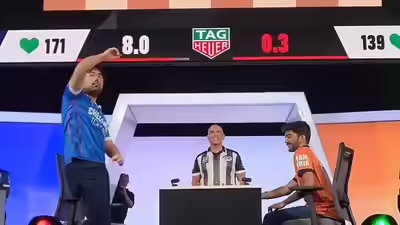
In the chess world, decorum and quiet dignity have long been the gold standard. So when Hikaru Nakamura grabbed D. Gukesh’s king and flung it into the crowd after a bullet victory, jaws dropped.India Today+2NDTV Sports+2 The move instantly became viral, polarizing fans, critics, and grandmasters alike. But here’s my new take: this moment isn’t just a reckless stunt — it may mark a turning point in how chess balances spectacle and substance.
1. It was planned theater, not impulse
Let’s start with a revelation: behind-the-scenes footage reveals the toss was premeditated. The event organizers had explicitly encouraged dramatic gestures, telling players “you can even throw the pieces … make it theatrical.”India Today+1 In fact, Nakamura reportedly told Gukesh beforehand, “I’ll throw the king if I win.”India Today
What that suggests: this was not Nakamura’s breakdown or insult — it was a scripted moment in a chess “show.” The real story is not should he have done it? but why now, and to an opponent of Gukesh’s stature?
2. The power dynamics are part of the message
A king in chess is the ultimate symbol. In tossing Gukesh’s king, Nakamura staged not just a gesture, but a message — that he outplayed the world champion. That’s not the same as personal disrespect. The symbolism is aggressive, theatrical, and symbolic of dominance. Are we shocked because chess has rarely invited this level of overt symbolism?
Yet taking an opponent’s king — especially when that opponent is a world champion — risks being read as humiliation, regardless of intent. That’s where critics like Vladimir Kramnik call it “vulgar” or “tasteless.”The Times of India He sees it as a degradation of chess’s dignity. But what if Kramnik is defending the old guard?
3. It’s chess leveling up: from sport to spectacle
This event, Checkmate: USA vs India, was explicitly designed for spectacle. Loud crowds, rapid games, and flashy moves were the hook. Even FIDE’s establishment and traditionalists have long agonized over how to modernize chess for wider audiences.Gulf News+1
This toss may be part of a transition: chess is starting to borrow from the theatrics of other sports (or even “entertainment sports”) to broaden its appeal. Nakamura is hardly the first chess player to provoke. But by using one of chess’s deepest symbols — the king — as a prop, he underscores how the game’s symbolism is now being weaponized in show formats.
4. Gukesh’s composure turned detractors into defenders
While all eyes were on the toss, Gukesh’s response deserves its own spotlight. Instead of getting flustered or reacting angrily, he quietly reset the board and acted with calm professionalism. That contrast amplifies the drama: the showman vs. the grounded champion.
Many saw in Gukesh’s demeanor a lesson in sportsmanship. The act of not reacting — of rising above theatrics — becomes a statement in itself. And in doing so, he may have won more respect than the toss ever could win applause.
5. The chess community is split — and that divide is telling
- Kramnik and purists see the gesture as a line crossed: chess as a refined art should resist “WWE theatrics.”The Times of India+1
- Defenders argue it’s harmless showmanship, acceptable in an exhibition context. Fabiano Caruana weighed in: “I don’t really see the big deal … that’s part of what you expect from this event.”The Indian Express
- Others note the event’s framing: since organizers encouraged such gestures, the toss is less a personal choice, more a performance.Gulf News+2India Today+2
On Reddit, opinions were similarly divergent:
“It was clearly scripted for show and just a bit of fun.”Reddit
“Just a bunch of pearl-clutching … they’d collapse if they heard football chants.”Reddit
The heat, in short, reflects a deeper tension: can chess remain a cerebral, elegant pursuit and embrace theatrics for mass appeal?
6. What this means for chess moving forward
- Event design will escalate. If one toss can provoke a viral storm, organizers will push boundaries further. Expect more stunts, symbolic gestures, and “moments” baked into the format.
- Purists vs. showrunners clash intensifies. We’ll increasingly see chess’s identity battle: reserved tradition or entertainment hybrid.
- Champions must adapt. Players will need thick skins and strong personal brands. Gukesh’s calm showed he’s ready for that stage.
- Spectators get cues. Moving forward, fans will increasingly ask: is this move deep, or just dramatic? Was that brilliance or showbiz?
7. Why this matters to Summit School of Chess readers
At Summit, we teach technique, discipline, and respect. But if chess is evolving into something more performative, we must help students develop not only tactical brilliance but emotional resilience, branding awareness, and stage presence.
In our next training modules, we might introduce lessons like:
- “How to win with flair, not gimmicks” — making strategic decisions that look good and are good.
- “Grace under fire” — how to respond to theatrics without losing composure.
- “Chess as narrative” — when moves tell a story, and how to build narrative threads in your games.
Final Word: The toss was not just drama — it’s a signal
Don’t write this off as “just a stunt.” What happened between Nakamura and Gukesh is a microcosm of chess’s identity crisis. It’s where performance meets mastery, where symbolism meets strategy. And whether you love it or hate it, this moment may be remembered as the day chess leaned harder into its show side — for better or worse.
So here’s my hot take: Nakamura’s king toss wasn’t disrespect. It was a theatrical handshake with the future of chess — and Gukesh, by not flinching, just passed the challenge.