Magnus Carlsen Continues Winning Streak, Niemann Loses to Kramnik

Magnus Carlsen Continues Winning Streak, Niemann Loses to Kramnik

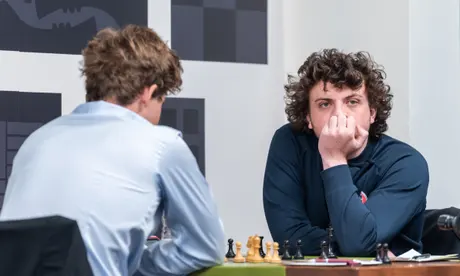
Magnus Carlsen is still on a roll. The Norwegian grandmaster won the Julius Baer Generation Cup last weekend, his third victory on the $2 million Champions Tour. This comes just a month after he won the World Cup, the only major individual competition he had never won.

In the Julius Baer Generation Cup, Carlsen defeated Alireza Firouzja in the final. Firouzja is a rising star in chess, but Carlsen proved to be too strong. Carlsen also defeated Fabiano Caruana and Nodirbek Abdusattorov en route to the title.

One of Carlsen’s best games in the tournament was against Firouzja. Carlsen played the rare 6 Rg1 against the Najdorf Sicilian, and he was able to overrun Firouzja’s position with a sustained attack.

Niemann also had a strong showing in the tournament, but he lost to Kramnik in the quarterfinals. Kramnik played the Fool’s Mate in the second game, and Niemann resigned rather than play 3 Qh5 mate.

Niemann is still the No. 1 seed for the upcoming World Junior Championship, but he needs to start taking his chess more seriously if he wants to win the event. He needs to create a bank of opening novelties, study the games of his rivals, and hire a second to provide him with support.

Garry Kasparov will also be in action this weekend. He will be playing in the Chess 9LX tournament in St. Louis. Kasparov is the rival to Carlsen and Fischer as the all-time No. 1, so this will be a great opportunity to see him in action.

If you are interested in learning more about chess, or if you are looking for a great place to improve your chess skills, please contact Summit School of Chess. We offer a variety of chess classes for all ages and levels. We also offer private lessons, group lessons, and summer camps.

Celebrating International Chess Day: A Strategic Game for All Ages

introduction

In a world filled with various forms of entertainment, there’s one timeless game that continues to captivate minds, young and old alike – chess. International Chess Day, celebrated annually on July 20th, honors this age-old board game that has enthralled generations with its blend of strategy, skill, and intellect. In this article, we will delve into the fascinating world of chess, exploring its history, rules, benefits, and how it remains relevant in the digital age.

The Origins of Chess

Ancient Beginnings

Chess, commonly known as the “royal game,” boasts a profound history spanning more than a millennium.  Its origins can be traced to India in the 6th century.

Chaturanga to Shatranj

The earliest precursor to modern chess was called “chaturanga,” which featured pieces representing the four divisions of the Indian army – infantry, cavalry, elephants, and chariots. This game evolved into “shatranj” as it spread to Persia and eventually made its way to the Islamic world.

European Adoption

Chess reached Europe in the 9th century and underwent significant rule changes, including the introduction of the queen and bishop, reflecting the evolving feudal society of the time.

The Chessboard and Gameplay

The Chessboard Setup

A typical chessboard comprises 64 squares meticulously arranged within an 8×8 grid. Each player starts with 16 pieces, including a king, queen, rooks, knights, bishops, and pawns.

Objective of the Game

In chess, the ultimate objective is to achieve checkmate against your adversary’s king. This means putting the king in a position where it cannot move without being captured, signifying the end of the game.

Chess Notation

Chess notation is a system for recording moves in a game. It is essential for players to analyze their games and improve their skills.

Benefits of Playing Chess

Cognitive Development

Chess is a powerful tool for enhancing cognitive skills, such as problem-solving, critical thinking, and spatial awareness, making it a valuable educational tool.

Stress Relief

Playing chess can be a stress-relieving activity, allowing players to unwind and focus on the intricacies of the game.

Social Interaction

Chess transcends borders and languages, providing a universal platform for social interaction and camaraderie among players worldwide.

Chess in the Digital Age

Online Chess Platforms

The advent of the internet has brought chess to a global audience, with numerous online platforms allowing players to compete with opponents from around the world.

Chess Engines and AI

Computer chess engines and artificial intelligence have revolutionized chess analysis and gameplay, offering new challenges and insights.

International Chess Day reminds us of the enduring appeal of this ancient game. Chess continues to stimulate minds, foster strategic thinking, and connect people across cultures and generations. So, whether you’re a grandmaster or just learning the moves, take a moment on July 20th to celebrate the beauty of chess.

FAQs

What is the significance of International Chess Day?

International Chess Day celebrates the historical and cultural importance of chess, promoting its educational and social benefits worldwide.

Can chess be played online?

Yes, there are numerous online platforms that allow players to enjoy chess games with opponents from all over the globe.

How can I improve my chess skills?

To improve your chess skills, practice regularly, study classic games, and consider seeking guidance from experienced players or chess coaches.

Is chess only for intellectuals?

Chess is a game for people of all backgrounds and ages. It promotes critical thinking and cognitive development, making it accessible to everyone.

What are some famous chess tournaments?

Some of the most prestigious chess tournaments include the World Chess Championship, the Tata Steel Chess Tournament, and the Sinquefield Cup.

If you are interested in learning more about Summit School of Chess, please visit our website at https://summitschoolofchess.com/.

Learn more @ Chess School
Special Chess Lessons for Beginners
Chess Tournaments for Kids, Chess Tournaments Near Me
Chess Camps

Watch our YouTube Channel

Visit My Facebook Page

Exploring the Beauty of Chess: More Than Just a Game

Introduction

In a world filled with fast-paced digital entertainment, there exists a timeless classic that continues to captivate minds and hearts – chess. This ancient game, which traces its roots back over a millennium, is more than just a pastime. It is an intricate dance of strategy, intellect, and creativity that has enthralled generations. In this article, we will delve into the enchanting world of chess, exploring what makes it not only a game but a beautiful art form.

The Origin and Evolution of Chess

1. A Glimpse into Chess History

Chess, believed to have originated in India during the Gupta Empire, has undergone a fascinating evolution. It began as a game called “Chaturanga,” which simulates a battle between four divisions of the Indian army. Over the centuries, it traveled across continents, transforming into the chess we know today.

2. The Chessboard and Its Symbolism

One of the first things that strike you about chess is the board itself. Eight by eight squares, alternating between dark and light, create a mesmerizing pattern. This simple yet elegant design holds deeper significance, representing the duality and balance in life.

Chess as a Mental Gymnastics

1. The Battle of Minds

Chess is often described as a mental sport, and rightfully so. It engages the brain in a profound way, requiring strategic thinking, foresight, and tactical prowessEach move represents a deliberate stride towards triumph.

2. The Art of Sacrifice

Chess teaches us the art of sacrifice. Players willingly relinquish pieces, often queens or knights, to gain an advantage. This willingness to sacrifice for a greater purpose resonates with life’s challenges.

The Beauty of Strategy

1. The Grandmaster's Symphony

In the hands of grandmasters, chess resembles a symphony. Every move, a carefully composed note, comes together to create a harmonious masterpiece. The ability to strategize several moves ahead is awe-inspiring.

2. The Element of Surprise

Chess is a game of surprises. A sudden move, an unexpected sacrifice – these twists make each game unique and exciting. The element of surprise keeps players and spectators hooked.

The Artistic Nature of Chess

1. The Aesthetics of Chess

Chess is visually appealing. The graceful movement of pieces, the stark contrast between black and white, and the evolving patterns on the board create a visual spectacle.

2. Chess as an Art of Endurance

A game of chess can be an endurance test, much like an artist laboring over a masterpiece. The hours spent in deep contemplation, the mental stamina required – these aspects make chess an artistic endeavor.

The Human Element

The Emotional Rollercoaster

Chess is not devoid of emotion. Players experience a range of feelings – elation, frustration, and determination. It’s a journey that mirrors the highs and lows of life.

In conclusion, chess is more than just a game; it is a beautiful, intricate art form. From its rich history to its mental gymnastics and artistic qualities, chess has a unique allure that transcends generations.

Frequently Asked Questions (FAQs)

1. Is chess truly an art form?

Yes, chess is widely regarded as an art form due to its complexity, strategy, and visual appeal.

2. What skills does chess help develop?

Chess helps develop critical thinking, strategic planning, and patience, among other skills.

3. Why do chess players often appear so focused?

Chess demands intense concentration and strategic thinking, which explains the focused demeanor of players.

4. Are there any famous chess masterpieces?

Yes, there are many famous chess games considered masterpieces, such as the Immortal Game and the Evergreen Game.

5. Can anyone learn to play chess?

Absolutely! Chess is a pastime accessible to individuals of all age groups and diverse backgrounds, offering a universal source of learning and enjoyment.

If you are interested in learning more about Summit School of Chess, please visit our website at https://summitschoolofchess.com/.

Learn more @ Chess School
Special Chess Lessons for Beginners
Chess Tournaments for Kids, Chess Tournaments Near Me
Chess Camps

Watch our YouTube Channel

Visit My Facebook Page

The Art of Zugzwang: Understanding a Complex Chess Strategy

Introduction

In the intricate world of chess, where every move counts, there exists a fascinating and often challenging strategy known as “Zugzwang.” This German term, which translates to “compulsion to move,” Plays a crucial role in the game of chess.  In this article, we will delve deep into the concept of Zugzwang, exploring its significance, examples, and how it can be employed to gain a strategic advantage on the chessboard.

What is Zugzwang?

Zugzwang, in the realm of chess, is a unique situation where a player is forced to make a move, but any available move puts them at a disadvantage. In simpler terms, it’s a position in which you would prefer to pass your turn, but the rules dictate that you must make a move. This predicament often requires profound foresight and strategic thinking.

The Significance of Zugzwang

Zugzwang is a critical concept in chess, as it can turn the tide of a game. Players skilled in recognizing and capitalizing on Zugzwang situations can exploit their opponents’ weaknesses and create winning opportunities. Let’s explore some key aspects of its significance:

  1. Forcing Mistakes: Zugzwang compels your opponent to make unfavorable moves, potentially leading to errors that you can exploit.
  1. Control of Key Squares: It allows you to gain control of critical squares on the chessboard, limiting your opponent’s options.
  1. Time Pressure: Zugzwang often results in your opponent running out of time or making hasty decisions, further increasing the likelihood of errors.
  1. Endgame Mastery: Understanding Zugzwang is crucial in endgame scenarios, where precision is paramount.

Examples of Zugzwang

To better comprehend this complex concept, let’s consider a few examples:

Example 1:  King and Pawn Endgame

In a king and pawn endgame, if one player’s king is in Zugzwang, they are forced to move, allowing the opponent’s king to advance and promote a pawn, securing victory.

Example 2: Overextended Position

If a player has overextended their position, they might find themselves in Zugzwang as they struggle to defend multiple weak points on the board.

Utilizing Zugzwang

To use Zugzwang effectively, follow these steps:

1. Anticipate Opponent's Moves:

Predict your opponent’s responses to your moves and identify potential Zugzwang positions.

2. Create a Plan:

Develop a strategy to steer the game toward Zugzwang situations.

3. Timing is Key:

Wait for the right moment to force Zugzwang, ensuring it benefits your position.

In the intricate game of chess, Zugzwang stands as a testament to the depth and complexity of the sport. Mastering Zugzwang requires not only a deep understanding of the game but also the ability to think several moves ahead. By using this strategy effectively, you can gain a significant advantage over your opponent and emerge victorious.

FAQs about Zugzwang

Is Zugzwang a common occurrence in chess games?

Zugzwang is not exceedingly common, but it can occur in various phases of the game, particularly in endgame scenarios.

Can Zugzwang be used in other board games besides chess?

While the term originates from chess, the concept of being forced into a disadvantageous move can apply to some other strategy board games.

Are there specific chess openings or positions that often lead to Zugzwang?

Zugzwang can arise from a wide range of positions and openings, but it’s most prevalent in endgame situations.

How can I practice recognizing Zugzwang in my chess games?

Studying classic games and solving chess puzzles that involve Zugzwang can help improve your recognition of this concept.

Is Zugzwang more advantageous for the player with the initiative?

Yes, Zugzwang is typically more advantageous for the player with the initiative, as they can force their opponent into unfavorable positions.

If you are interested in learning more about Summit School of Chess, please visit our website at https://summitschoolofchess.com/.

Learn more @ Chess School
Special Chess Lessons for Beginners
Chess Tournaments for Kids, Chess Tournaments Near Me
Chess Camps

Watch our YouTube Channel

Visit My Facebook Page

Exploring the Intricacies of Zwischenzug in Chess

Introduction

In the world of chess, strategic thinking, and tactical brilliance often take center stage. Among the many tactics that chess players employ, there exists a fascinating and somewhat enigmatic maneuver called the Zwischenzug. In this article, we will delve deep into the concept of Zwischenzug, its origins, how it’s executed, and its significance in the grand scheme of chess strategy.

Understanding Zwischenzug

What is Zwischenzug?

Zwischenzug, a German term translating to “intermezzo” or “in-between move,” is a chess tactic where a player inserts an unexpected move in the middle of a sequence that seems preordained. It’s a tactical curveball that can disrupt an opponent’s well-laid plans and turn the tide of the game.

Historical Significance

Zwischenzug has been a part of chess strategy for centuries. Its roots can be traced back to the earliest recorded chess games. We’ll explore how this tactic has evolved over time and its influence on modern chess.

Executing the Zwischenzug

Identifying Opportunities

To execute a Zwischenzug effectively, a player must have a keen eye for opportunities. We’ll discuss the art of recognizing moments when this tactical move can be employed to maximum effect.

Creating Disarray

One of the primary purposes of a Zwischenzug is to create chaos on the board. We’ll look at real-world examples where a well-timed in-between move led to an opponent’s disarray and ultimately, victory.

The Psychological Aspect

Mind Games

Chess is not just about moving pieces on a board; it’s also a psychological battle. We’ll explore how Zwischenzug can be a powerful tool for playing mind games with your opponent.

Handling the Unexpected

When facing a Zwischenzug, players often find themselves in uncharted territory. We’ll discuss strategies for handling unexpected in-between moves and staying composed during a game.

Zwischenzug in Professional Chess

Memorable Moments

Some of the most memorable moments in chess history involve Zwischenzug. We’ll recount a few legendary games where this tactic played a pivotal role.

Learning from the Masters

What can aspiring chess players learn from grandmasters who have mastered the art of Zwischenzug? We’ll delve into some valuable lessons from the pros.

In the world of chess, Zwischenzug stands as a testament to the infinite depth of the game. Its ability to disrupt expectations and create unique opportunities makes it a favorite among strategic players. As you continue your chess journey, remember the power of the in-between move and its potential to turn the tide in your favor.

Frequently Asked Questions

Is Zwischenzug suitable for all levels of chess players?

Zwischenzug can be employed at various skill levels, but mastering it requires practice and a deep understanding of chess strategy.

Are there any famous games where Zwischenzug played a crucial role?

Yes, there are several famous games in chess history where Zwischenzug turned the game in favor of the player employing it.

Can Zwischenzug be used in other board games or sports?

While it’s primarily a chess tactic, the concept of unexpected in-between moves can be applied in some other strategic games.

How do I practice and improve my Zwischenzug skills?

To improve your Zwischenzug skills, study games, and practice scenarios where this tactic can be employed effectively.

What's the best way to predict and counter my opponent's Zwischenzug?

Anticipating Zwischenzug requires careful observation and adaptability. Study your opponent’s tendencies to better predict their moves.

If you are interested in learning more about Summit School of Chess, please visit our website at https://summitschoolofchess.com/.

Learn more @ Chess School
Special Chess Lessons for Beginners
Chess Tournaments for Kids, Chess Tournaments Near Me
Chess Camps

Watch our YouTube Channel

Visit My Facebook Page

Online Chess Classes: A Comprehensive Guide to Boost Your Game

Online Chess Classes: A Comprehensive Guide to Boost Your Game

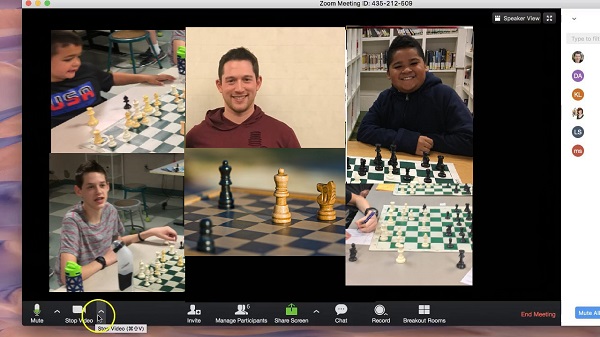
Online chess classes have emerged as a fantastic avenue for chess enthusiasts of all skill levels to enhance their gameplay, learn new strategies, and engage with a global community of fellow chess aficionados. In this article, we’ll explore the world of virtual chess lessons, delve into the benefits they offer, and provide valuable insights into how to make the most of your online chess learning journey.

Introduction

In a world where technology continues to reshape learning experiences, online chess classes have revolutionized how we master the royal game. Whether you’re a curious beginner or a seasoned pro, virtual chess lessons offer unparalleled accessibility and flexibility.

Advantages of Online Chess Classes

Virtual chess lessons provide a plethora of benefits. You can learn at your own pace, access a diverse range of content, and interact with instructors and peers from around the globe. The convenience factor is unbeatable, as you can learn from the comfort of your home.

chess-1215079_1920

Free Online Chess Classes: Myth or Reality?

Yes, free online chess classes do exist! We explore the available options and offer insights into how to identify high-quality free resources.

Elevating Tournament Performance through Online Chess Classes

Learn how online chess classes can provide you with the competitive edge you need to excel in chess tournaments. Gain insights into strategic thinking and psychological preparation.

Online vs. In-Person Chess Lessons: Which is Right for You?

We compare the benefits and drawbacks of online and in-person chess lessons, helping you make an informed choice based on your preferences and circumstances.

Essential Equipment and Software for Online Chess Classes

Discover the tools you need to embark on your online chess learning journey. From chess software to hardware recommendations, we’ve got you covered.

Personalized Feedback: A Key Aspect of Online Chess Learning

One of the standout features of online chess classes is the personalized feedback from instructors. We delve into how this feedback can accelerate your improvement.

Chess Classes for Kids: Nurturing Young Minds

Explore specialized online chess classes tailored for kids. These classes not only teach chess skills but also enhance critical thinking and cognitive development.

young-kids-playing-chess-together

Duration of Online Chess Class Sessions

Curious about the time commitment? We break down the typical duration of online chess class sessions, allowing you to plan your schedule effectively.

Cost of Online Chess Classes: Exploring Your Options

Get an overview of the cost spectrum for online chess classes. From budget-friendly options to premium courses, there’s something for everyone.

Best Online Platforms for Chess Classes

We review the top online platforms that offer comprehensive chess classes. Discover their unique features and advantages.

Reviews and Recommendations: Insights from Fellow Learners

Learn from the experiences of others. We compile reviews and recommendations from fellow learners to help you make an informed choice.

Advanced Strategies Taught in Virtual Chess Lessons

Ready to take your game to the next level? We explore the advanced strategies and techniques covered in virtual chess lessons.

A Beginner's Haven: Online Chess Classes for Novices

If you’re new to chess, fear not! We highlight the beginner-friendly classes that lay the foundation for your chess journey.

Interactive Learning: Engaging Components of Virtual Chess Lessons

Engagement is key to effective learning. We discuss the interactive elements that make virtual chess lessons engaging and enjoyable.

Accredited Online Chess Courses: Taking Learning Seriously

For those seeking a formal learning experience, accredited online chess courses offer structured and in-depth education.

Delving into Chess Theory and Tactics Through Online Classes

Unearth the richness of chess theory and tactics in online classes. Enhance your understanding of the game’s intricacies.

Engaging Activities: Making Learning Fun in Virtual Chess Classrooms

Learning chess doesn’t have to be dull. We explore the engaging activities that keep learners motivated and excited.

Mastering Chess Openings for Beginners

Chess openings can make or break a game. Beginners can gain mastery over openings through dedicated online classes.

Strategies for Dominating the Chess Board Online

Dominate the online chess board with proven strategies. Learn how to adapt your gameplay for the virtual arena.

In-Depth Analysis of Pawn Structures: A Pivotal Skill

Pawn structures play a vital role in chess strategy. Dive deep into their analysis and understand their significance.

Improving Endgame Techniques: Sealing Your Victory

The endgame is where games are won. Discover techniques to improve your endgame skills through online classes.

Essential Chess Principles for Rapid Improvement

We distill essential chess principles that lead to rapid improvement. Incorporate these principles into your gameplay for tangible results.

Online chess classes provide an unparalleled opportunity to grow as a chess player. With a plethora of options available, learners of all ages and skill levels can find the perfect avenue to sharpen their skills, engage with a community, and enjoy the royal game like never before.

FAQs

What are the benefits of taking online chess classes?

Online chess classes offer flexibility, diverse content, and global interaction, enhancing both learning and enjoyment.

How can I choose the right online chess class for my skill level?

Consider your skill level, learning style, and goals to find a class that aligns with your needs.

Are there any free online chess classes available?

Yes, there are reputable platforms offering free online chess classes. We explore these options in the article.

Can online chess classes help improve my tournament performance?

Absolutely. Online chess classes provide advanced strategies and psychological insights that can elevate your tournament gameplay.

How do online chess classes compare to traditional in-person lessons?

We compare the pros and cons of both options, enabling you to make an informed choice based on your preferences.

If you are interested in learning more about Summit School of Chess, please visit our website at https://summitschoolofchess.com/.

Learn more @ Chess School
Special Chess Lessons for Beginners
Chess Tournaments for Kids, Chess Tournaments Near Me
Chess Camps

Watch our YouTube Channel

Visit My Facebook Page

Summit School of Chess: The Best Chess Program for Your School

Led by National Chess Master Jesse Cohen, Summit School of Chess has been serving hundreds of students around the Greater Denver Area since 2012. In that time, we have helped our students develop chess skills that have led to 17 state championships.

Our team of coaches is ready for students of all ages and skill levels. We specialize in having fun, respectful, and controlled environments where students can be safe to flourish. We also have the flexibility to accommodate your schedule, offering both after-school and weekend programs.

Here are just a few of the benefits of bringing Summit School of Chess to your school:

  • Chess improves academic performance. Studies have shown that chess can help students improve their critical thinking, problem-solving, and decision-making skills. These are all skills that are essential for success in school and in life.
  • Chess teaches valuable life lessons. Chess is a game of strategy, tactics, and perseverance. By playing chess, students learn how to think ahead, plan their moves carefully, and never give up. These are all valuable life lessons that can be applied to any field.
  • Chess is a fun and engaging activity. Chess is a game that can be enjoyed by people of all ages. It is a great way to relieve stress, have fun, and make new friends.

If you are looking for a chess program that will help your students learn and grow, Summit School of Chess is the perfect choice. We offer a variety of programs to fit the needs of your school, and we are committed to providing a fun and challenging learning environment for all students.

To learn more about our school programs, please visit our website or contact us today. We would be happy to answer any questions you have and schedule a free consultation.

Visit our website to learn more: https://summitschoolofchess.com/

Contact us today to schedule a free consultation: (720)-243-1450

Learn more @ Chess School
Special Chess Lessons for Beginners
Chess Tournaments for Kids, Chess Tournaments Near Me
Chess Camps

Watch our YouTube Channel

Visit My Facebook Page

Chess and Other Brain-Boosting Activities

Chess and Other Brain-Boosting Activities

I recently read an article in The Telegraph that highlighted the benefits of chess for brain health in later life. This got me thinking about all the other activities that can help keep my mind sharp as I age.

I’m not a natural chess player, but I do enjoy playing card games like bridge and poker. I’ve also been thinking about learning a new language, and I’ve always wanted to learn how to play a musical instrument.

I know that exercise is also important for brain health, so I’ve been trying to get more active. I’ve started going for walks more often, and I’m thinking about joining a dance class.

I’m excited to try all of these activities and see how they help me keep my mind sharp. I’m also interested in learning more about the benefits of other brain-boosting activities.

If you’re looking for ways to keep your mind sharp as you age, I encourage you to try some of these activities. You may be surprised at how much they can help!

Here are some additional tips for keeping your brain healthy:

  • Eat a healthy diet.
  • Get enough sleep.
  • Stay socially active.
  • Learn new things.
  • Keep your mind active.

By following these tips, you can help to ensure that your brain stays healthy and sharp for many years to come.

I hope this blog post has given you some ideas for activities that you can do to keep your brain healthy. If you have any questions, please don’t hesitate to contact me.

Thanks for reading!

Sincerely,

Jesse R Cohen

If you are interested in learning more about Summit School of Chess, please visit our website at https://summitschoolofchess.com/.

Learn more @ Chess School
Special Chess Lessons for Beginners
Chess Tournaments for Kids, Chess Tournaments Near Me
Chess Camps

Watch our YouTube Channel

Visit My Facebook Page

Chess: Learn to Play

Chess: Learn to Play

  1. Introduction
  2. Understanding the Basics of Chess
    • What is Chess?
    • The Chessboard and Pieces
    • Rules of Movement
    • Objective of the Game
  3. Setting Up the Chessboard
    • Starting Position
    • The Role of Each Piece
    • Castling and En Passant
  4. Learning Chess Moves and Strategies
    • Movement of Pawns and Their Importance
    • Rook, Knight, and Bishop Strategies
    • Queen and King Tactics
    • Check, Checkmate, and Stalemate
    • Developing a Solid Opening
    • Middle Game Tactics
    • Endgame Strategies
  5. Advanced Chess Concepts
    • Evaluating Positions
    • Tactical Patterns
    • Sacrifices and Combinations
    • Understanding Time Management
    • Dealing with Opponent’s Tactics
  6. Improving Your Chess Skills
    • Study Famous Games
    • Solve Chess Puzzles
    • Practice Regularly
    • Analyze Your Games
    • Play Against Stronger Opponents
  7. The Psychological Aspect of Chess
    • Handling Pressure
    • Maintaining Focus
    • Learning from Defeats
  8. Online Resources for Learning Chess
    • Chess Websites and Apps
    • Online Chess Communities
    • Virtual Tournaments and Challenges
  9. Conclusion

Chess is a fascinating and strategic board game that has been captivating minds for centuries. The game of chess has an ancient origin and requires critical thinking, foresight, and the ability to plan ahead. In this article, we will delve into the world of chess, understanding its basics, learning the moves and strategies, exploring advanced concepts, and discussing ways to improve your skills. So, let’s embark on this exciting journey of learning how to play chess!

Understanding the Basics of Chess

What is Chess?

Chess, a captivating two-player strategy game, unfolds on a square board comprising 64 alternating colored squares. At the commencement of the game, both players receive a total of 16 pieces, consisting of a king, queen, bishops, knights, rooks, and pawns. The objective is to checkmate the opponent’s king, rendering it unable to escape capture.

The Chessboard and Pieces

The chessboard consists of eight ranks (horizontal rows) and eight files (vertical columns). The pieces are arranged in a specific pattern at the beginning of the game.

Rules of Movement

Each chess piece has its unique way of moving across the board. Pawns move forward, but capture diagonally. Rooks move vertically and horizontally, bishops diagonally, knights in an L-shaped pattern, the queen in any direction, and the king one square at a time.

Objective of the Game

The ultimate goal is to checkmate the opponent’s king, which means putting it in a position where it cannot escape capture. This marks the end of the game, and the player achieving checkmate emerges victorious.

Setting Up the Chessboard

Starting Position

The chess pieces are set up on the board in a specific arrangement at the beginning of the game. This standard setup ensures a fair and balanced starting point for both players.

The Role of Each Piece

Understanding the role and value of each chess piece is crucial to develop effective strategies. The pawns are the frontline soldiers, while the rooks, knights, bishops, and queen play unique roles in various positions.

Castling and En Passant

In the intricate world of chess, two exceptional moves stand out – castling and en passant. These unique maneuvers add depth and excitement to the gameplay, allowing players to showcase their strategic prowess. Castling allows the king and rook to move simultaneously, while en passant involves capturing an opponent’s pawn in a particular situation.

Learning Chess Moves and Strategies

Movement of Pawns and Their Importance

Pawns may seem simple, but their moves are fundamental. Learning how to use pawns strategically can create opportunities and open avenues for your other pieces.

Rook, Knight, and Bishop Strategies

The rooks, knights, and bishops are known as minor pieces, and each has its strengths and weaknesses. Mastering their movement patterns and strategies is essential for a well-rounded game.

Queen and King Tactics

Undoubtedly, the queen reigns as the most formidable piece on the chessboard, boasting unparalleled power and versatility. With the ability to glide effortlessly in any direction, she becomes a commanding force, influencing the game’s outcome in countless ways. Properly utilizing the queen can lead to decisive advantages. The king, on the other hand, requires protection throughout the game.

Check, Checkmate, and Stalemate

Grasping the fundamental concepts of check, checkmate, and stalemate holds utmost significance in the game of chess. These pivotal elements dictate the flow of the game, determining whether victory is within reach or if a draw is inevitable. Check is when the king is under threat, checkmate is when the king is unable to escape, and stalemate results in a draw.

Developing a Solid Opening

The opening moves in chess lay the foundation for the entire game, setting the tone and paving the way for the unfolding strategies. A well-chosen and skillfully executed opening can shape the course of the battle, influencing the subsequent moves and ultimately determining the players’ fate. Learning various opening strategies and being familiar with common opening patterns can give you a strong start.

Middle Game Tactics

The middle game is the phase where most of the action takes place. Developing a solid middle-game strategy involves planning, calculation, and the ability to adapt to changing positions.

Endgame Strategies

The endgame is the final phase of the game, where only a few pieces are left on the board. Endgame tactics are different from the opening and middle game and require precise calculations.

Advanced Chess Concepts

Evaluating Positions

Assessing a position’s strengths and weaknesses is vital for formulating effective plans. Understanding how to evaluate positions will help you make better decisions.

Tactical Patterns

Tactical patterns involve combinations and sequences that can lead to material gains or checkmate. Recognizing these patterns allows you to spot opportunities quickly.

Sacrifices and Combinations

Sometimes, sacrificing a piece can lead to a powerful attack or a decisive advantage. Mastering the art of sacrifices and combinations can make you a formidable player.

Understanding Time Management

Managing your time during a game is critical. Allocating time wisely to think through your moves can prevent time pressure and mistakes.

Dealing with Opponent’s Tactics

Anticipating and countering your opponent’s tactics is a skill that comes with experience. Learn how to defend against threats and launch your own attacks.

Improving Your Chess Skills

Study Famous Games

Analyzing games played by grandmasters can provide valuable insights into various strategies and tactics.

Solve Chess Puzzles

Chess puzzles are great for honing your skills. They present unique challenges that require creative thinking.

Practice Regularly

Consistent practice is the key to improvement. Set aside time to play regularly and learn from each game.

Analyze Your Games

Reviewing your games, especially the losses, helps identify mistakes and areas for improvement.

Play Against Stronger Opponents

Playing against stronger opponents can be challenging but highly beneficial for enhancing your skills.

The Psychological Aspect of Chess

Handling Pressure

Chess can be intense, especially during critical moments. Learning to handle pressure is essential for making sound decisions.

Maintaining Focus

Maintaining concentration throughout the game is vital to avoid oversight and blunders.

Learning from Defeats

Defeats are learning opportunities. Embrace them as chances to grow and refine your skills.

Online Resources for Learning Chess

Chess Websites and Apps

The internet offers a wealth of resources, including websites and apps, that can help you learn and practice chess.
Join Online Chess Training Session by National Chess Master Jesse Cohen

Visit YouTube Channel To Learn Chess

Online Chess Communities

Engaging with online chess communities allows you to connect with other players, learn from each other, and participate in events.

Virtual Tournaments and Challenges

Online tournaments and challenges provide opportunities to test your skills against players from around the world.

Conclusion

Chess is a game of infinite possibilities, where every move can change the course of the game. By understanding the fundamentals, learning advanced concepts, and honing your skills, you can become a formidable chess player. Embrace the challenges, enjoy the victories, and never stop learning and growing as a chess enthusiast.

FAQs

Q: What age is suitable to start learning chess?

A: Chess can be enjoyed by individuals of all ages. Children as young as 4 or 5 can begin learning the basics.

Q: How long does it take to become a proficient chess player?

A: Becoming proficient in chess varies from person to person. Consistent practice and unwavering dedication play pivotal roles in the realm of chess. These two essential factors are the driving forces behind skill improvement and success in the game. Without them, unlocking the full potential of one’s abilities would remain an elusive endeavor.

Q: Are there different variations of chess?

A: Yes, there are several chess variations with unique rules and board setups, such as Chess960 and Three-Check Chess.

Q: Can I play chess online against other players?

A: Absolutely! Many online platforms allow you to play against opponents from all over the world.

Q: Is chess considered a sport?

A: While opinions may vary, chess is recognized as a sport by the International Olympic Committee.
Learn Chess Online: Master the Game from the Comfort of Your Home

Learn Chess Online: Master the Game from the Comfort of Your Home

  1. Introduction
  2. Benefits of Learning Chess Online
    • Flexibility and Convenience
    • Access to Expert Tutors
    • Wide Variety of Learning Resources
  3. How to Get Started with Online Chess Learning
    • Choosing the Right Platform
    • Setting Learning Goals
    • Learning Basic Rules and Strategies
  4. Mastering Chess Openings and Endgames
    • Understanding Key Openings
    • Developing Endgame Techniques
  5. Improving Tactical and Strategic Skills
    • Tactics Training
    • Strategic Planning
  6. Learning from Grandmasters and Chess Legends
    • Analyzing Classic Games
    • Studying Grandmaster Techniques
  7. Participating in Online Chess Tournaments
    • Benefits of Tournaments
    • Preparing for Competitions
  8. The Psychological Aspect of Chess
    • Building Mental Resilience
    • Dealing with Defeats and Wins
  9. Chess and Cognitive Development
    • Enhancing Problem-Solving Skills
    • Boosting Memory and Concentration
  10. Chess as a Social Activity
    • Joining Online Chess Communities
    • Playing with Friends and Family
  11. The Future of Online Chess Learning
    • Technological Advancements
    • Virtual Reality in Chess Training

Throughout the ages, chess has stood as an enduring game of wit and intellect, captivating the minds of individuals for centuries. Learning chess online has revolutionized the way enthusiasts approach the game, providing unparalleled accessibility and opportunities for improvement. In this article, we will explore the benefits of online chess learning, practical tips for getting started, and how it can help you master the game. Let’s dive in!

Benefits of Learning Chess Online

Flexibility and Convenience

One of the most significant advantages of online chess learning is the flexibility it offers. You can access tutorials, practice games, and resources at your convenience, eliminating the need for physical travel to chess clubs or classes. Whether you are a beginner or an experienced player, online platforms cater to all skill levels, allowing you to learn and play at your own pace.

Access to Expert Tutors

Online chess learning platforms often boast a roster of expert tutors and grandmasters. With virtual lessons and one-on-one guidance, you can receive personalized feedback and tips from the best in the field. This access to experienced mentors accelerates your learning and helps you grasp advanced strategies with ease. Learn from National Chess Master Jesse Cohen

Wide Variety of Learning Resources

The internet offers an extensive collection of chess resources, including articles, videos, puzzles, and books. Online platforms curate these materials, making it easier for you to find suitable content that aligns with your skill level and learning objectives. From fundamental rules to advanced techniques, the wealth of information caters to every chess enthusiast.

How to Get Started with Online Chess Learning

Choosing the Right Platform

Selecting the right online chess learning platform is crucial for your progress. Look for platforms that offer a user-friendly interface, a diverse range of learning materials, interactive features, and positive reviews from users. Some popular platforms include summitschoolofchess.com, Chess.com, lichess.org, and chess24.com.

Setting Learning Goals

Before you begin your online chess journey, set specific learning goals. Identify the areas you want to improve, such as mastering certain openings, improving tactical skills, or understanding complex endgames. Setting clear goals will keep you focused and motivated throughout your learning process.

Learning Basic Rules and Strategies

For novices embarking on their chess journey, laying a solid foundation with the fundamentals is of utmost importance. Learn the fundamental rules of chess, such as how pieces move and capture opponents’ pieces. As you progress, familiarize yourself with essential strategies like controlling the center, castling, and developing your pieces efficiently.

Mastering Chess Openings and Endgames

Understanding Key Openings

Chess openings play a vital role in determining the flow of the game. Study popular openings like the Sicilian Defense, the Ruy Lopez, and the Queen’s Gambit. Understanding opening principles will help you gain a strategic advantage in the early stages of the game.

Developing Endgame Techniques

The endgame is the final phase of a chess match, and it can be the most challenging part. Learn endgame techniques like pawn promotion, king and pawn versus king, and basic checkmating patterns. Mastering endgames will significantly enhance your chances of victory.

Improving Tactical and Strategic Skills

Tactics Training

Tactics are critical for gaining material advantages or delivering checkmate. Engaging in regular practice of tactical puzzles will sharpen your ability to recognize patterns and enhance your calculating prowess on the chessboard. Websites and apps offering tactics training can help you sharpen your tactical acumen.

Strategic Planning

A strong strategy is the backbone of a successful chess game. Work on creating plans based on the position of your pieces and your opponent’s weaknesses. Understanding strategic concepts like pawn structure, piece coordination, and maneuvering will elevate your gameplay.

Learning from Grandmasters and Chess Legends

Analyzing Classic Games

Studying classic games played by legendary chess players provides invaluable insights into the game’s intricacies. Analyze games played by grandmasters like Bobby Fischer, Garry Kasparov, and Magnus Carlsen to understand their thought processes and decision-making.

Studying Grandmaster Techniques

Grandmasters often share their knowledge through books, videos, and online lectures. Take advantage of these resources to learn advanced techniques, such as deep opening preparation, complex middle game strategies, and creative endgame play.

Participating in Online Chess Tournaments

Benefits of Tournaments

Participating in online chess tournaments is an excellent way to challenge yourself and gauge your progress. Tournaments expose you to various playing styles, strategies, and opponents of different skill levels, making you a more versatile player.

Preparing for Competitions

Before entering a tournament, prepare thoroughly by revising your chosen openings, practicing time management, and analyzing your previous games for areas of improvement. A well-prepared mindset will boost your confidence and performance during the event.

The Psychological Aspect of Chess

Building Mental Resilience

Chess can be mentally demanding, especially during competitive games. Develop mental resilience to handle pressure, setbacks, and time constraints effectively. Meditation, visualization, and staying composed are essential skills for any serious chess player.

Dealing with Defeats and Wins

Chess, like any sport, involves wins and losses. Learn from defeats and celebrate victories without becoming overly confident. A healthy balance between self-analysis and self-belief will contribute to consistent growth as a chess player. Watch Chess Learning Videos on YouTube

Chess and Cognitive Development

Enhancing Problem-Solving Skills

Chess is a game of problem-solving, where every move counts. Regular chess practice enhances your critical thinking, logical reasoning, and problem-solving abilities. These cognitive skills extend beyond the chessboard and benefit other aspects of your life.

Boosting Memory and Concentration

Remembering and analyzing previous moves during a game improves your memory skills. Chess also requires intense focus and concentration, honing your ability to stay attentive and focused on tasks.

Chess as a Social Activity

Joining Online Chess Communities

Chess is a social game, and online platforms offer vibrant communities of players with shared interests. Joining these communities allows you to discuss strategies, analyze games together, and make friends with like-minded individuals.

Playing with Friends and Family

Playing chess with friends and family provides an enjoyable way to bond and share experiences. It’s an activity that transcends age and background, bringing people together through the love of the game.

The Future of Online Chess Learning

Technological Advancements

As technology advances, online chess learning is likely to evolve further. Expect innovations like AI-based coaching, real-time analysis during games, and interactive virtual classrooms.

Virtual Reality in Chess Training

Virtual reality can revolutionize chess training by providing immersive and interactive experiences. Players may engage in simulated matches against virtual opponents or explore historical chess settings.

Conclusion
Learning chess online opens a world of possibilities for aspiring chess players. The flexibility, access to expert guidance, and a wide array of learning resources make it an ideal choice for enthusiasts of all levels. Embrace the challenges and joys of the game, and watch as your skills flourish.

FAQs After The Conclusion

  • What are the benefits of learning chess online?
  • How do I get started with online chess learning?
  • Why are chess openings and endgames essential to learn?
  • How can I improve my tactical and strategic skills in chess?
  • Where can I find resources to study games played by grandmasters?